The Twice-a-Year Dental Visit Started as Marketing, Not Medicine
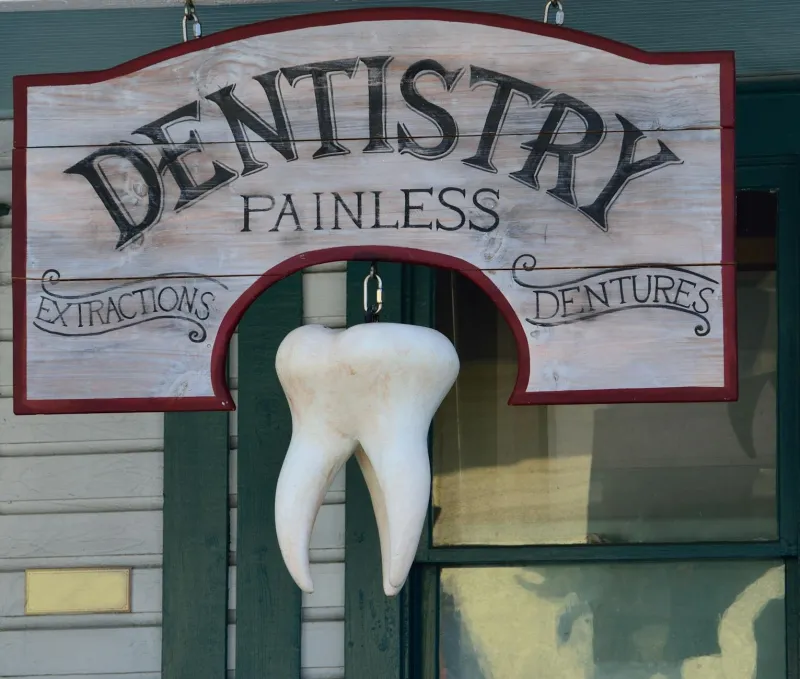
Walk into any dentist's office in America, and you'll hear the same advice echoed millions of times each year: "See you in six months for your next cleaning." It's so ingrained in our healthcare routine that questioning it feels almost heretical. After all, if dentists everywhere recommend it, there must be solid medical research backing up this timeline, right?
Actually, no. The six-month dental cleaning schedule that governs American oral healthcare has surprisingly little scientific foundation. Instead, it traces back to one of the most successful marketing campaigns in medical history — one so effective that it convinced an entire nation to adopt a healthcare routine based on advertising rather than evidence.
When Toothpaste Companies Wrote the Rules
The twice-yearly dental visit became American gospel thanks to a 1950s advertising blitz by Pepsodent toothpaste. The company's ads didn't just sell toothpaste — they sold a complete oral health philosophy. "See your dentist twice a year," became their tagline, repeated in commercials, print ads, and radio spots across the country.
Pepsodent's marketing team understood something crucial: people needed a simple, memorable rule. Six months was easy to remember, fit neatly into most people's schedules, and sounded medically precise. The campaign was so pervasive that within a decade, most Americans assumed the six-month rule came from dental schools, not advertising agencies.
What made this particularly effective was timing. The 1950s marked the beginning of employer-provided dental insurance, and insurance companies needed standardized guidelines for coverage. Pepsodent's six-month schedule provided a convenient framework that insurers adopted wholesale. Soon, dental benefits were structured around twice-yearly cleanings, cementing the schedule into America's healthcare infrastructure.
What Dental Research Actually Shows
Meanwhile, actual dental researchers were discovering something more complicated. Individual oral health varies dramatically based on genetics, diet, medical conditions, age, and personal hygiene habits. Some people develop tartar buildup within months, while others maintain healthy teeth and gums with annual cleanings.
A 2013 review published in the Cochrane Database — considered the gold standard for medical evidence — found insufficient research to support any specific cleaning interval. The authors concluded that the evidence for six-month cleanings versus other schedules was "of very low quality."
Dr. Damien Walmsley, scientific adviser to the British Dental Association, puts it bluntly: "The six-month rule is a general guide that may not be appropriate for everyone. Some patients may need more frequent visits, others less."
Yet American dental practice continues following the Pepsodent playbook. The American Dental Association's official position acknowledges that cleaning frequency should be "determined by a dentist or dental hygienist based on individual patient needs," but their patient materials still default to the six-month standard.
The Economics of Routine Care
There's another factor keeping the six-month schedule alive: economics. Routine cleanings represent steady, predictable revenue for dental practices. Unlike emergency procedures or complex treatments, cleanings can be scheduled months in advance, helping practices maintain consistent cash flow.
Insurance companies also prefer the predictability. Covering two cleanings per year is easier to budget than covering "cleanings as needed based on individual risk assessment." The six-month rule simplifies billing, scheduling, and coverage decisions across the entire dental industry.
This creates what economists call a "coordination problem." Even if individual dentists recognize that their patients have varying needs, the entire system — from insurance coverage to practice management software — is built around the six-month standard.
What Your Mouth Actually Needs
So how often should you actually see the dentist? The honest answer is: it depends. Dental professionals increasingly recognize that cleaning frequency should be based on individual risk factors, not calendar dates.
People with gum disease, diabetes, or certain medications may benefit from cleanings every three to four months. Those with excellent oral hygiene, no history of cavities, and healthy gums might maintain optimal oral health with annual visits. Most people fall somewhere in between.
Some forward-thinking practices are moving toward personalized schedules based on patient risk assessment. They consider factors like plaque buildup rate, gum health, medical history, and oral hygiene habits to determine optimal cleaning frequency.
Breaking Free from Marketing Medicine
The six-month dental cleaning rule represents something larger: how marketing messages can become medical dogma when they're repeated often enough. It's not that twice-yearly cleanings are harmful — for many people, they're perfectly appropriate. The problem is treating a marketing slogan as medical science.
Next time you're at the dentist, try asking a simple question: "Based on my individual oral health, how often do I actually need cleanings?" You might be surprised by the answer. Your dentist may recommend the standard six-month interval, or they might suggest a schedule tailored to your specific needs.
The real story behind America's dental cleaning schedule reveals how easily we can mistake advertising for medical advice. Sometimes the most trusted health rules aren't based on the latest research — they're based on the most successful marketing campaigns.