That Date on Your Ground Beef Isn't a Safety Warning — It's a Store Scheduling System
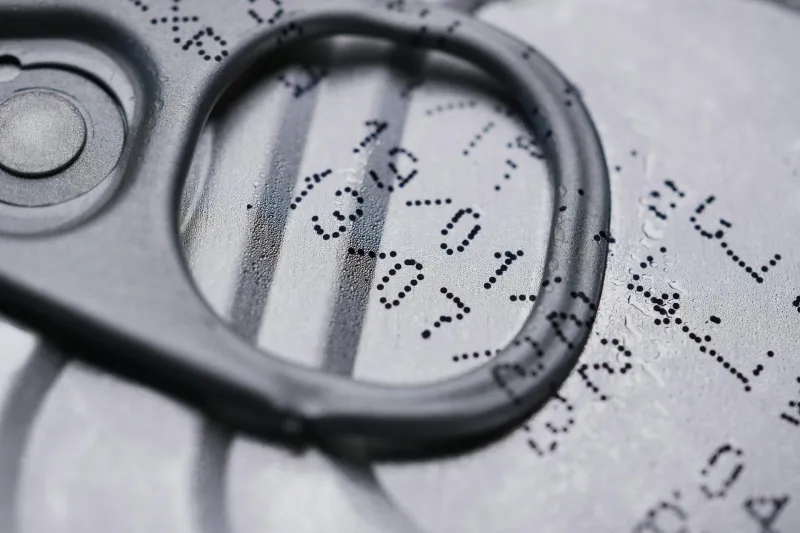
The Date That Confuses Everyone
Walk into any American kitchen, and you'll find the same ritual playing out: someone checking the date on a package of ground beef, calculating how many days are left, and making a snap decision about whether it's still "good." But that date stamped on your meat isn't what most people think it is.
The "sell by" date on raw meat has nothing to do with when it becomes unsafe to eat. It's a retailer scheduling system — a way for stores to manage their inventory rotation and ensure products don't sit on shelves too long. Yet this simple inventory tool has become the primary way Americans decide whether their protein is safe to consume.
What Those Dates Actually Mean
The confusion starts with the fact that there are multiple types of dates on food packages, and they serve completely different purposes. "Sell by" dates tell retailers when to rotate stock. "Use by" dates suggest peak quality. "Best by" dates indicate when flavor and texture might start to decline. None of these are federally regulated safety deadlines for most foods, including meat.
The USDA doesn't require dating on most meat products at all. When dates do appear, they're largely left to manufacturers and retailers to determine. A package of ground beef might have a "sell by" date that's three days from when it was packaged, but that same meat could remain safe to eat for several days beyond that date if properly stored.
This system creates a massive disconnect between what the label says and what food safety actually requires. The result? Americans discard roughly 80 billion pounds of food annually, with meat being one of the most commonly wasted categories.
The Real Safety Indicators
Food safety experts use completely different criteria to determine whether meat has gone bad. Temperature control, storage conditions, and sensory evaluation — how the meat looks, smells, and feels — matter far more than the arbitrary date on the package.
Properly refrigerated ground beef can remain safe for 1-2 days past its sell-by date. Whole cuts like steaks and roasts can last 3-5 days beyond that date. Poultry typically stays safe for 1-2 days past the sell-by mark. These timeframes assume consistent refrigeration at 40°F or below and proper handling.
The USDA's own guidelines focus on these practical factors rather than package dates. They recommend using your senses: fresh meat should have a bright red color (though some browning is normal), firm texture, and minimal odor. Any slimy texture, strong off-smells, or significant color changes are better indicators of spoilage than a calendar date.
Why the System Persists
The current dating system serves retailers well. It helps them manage inventory, reduce liability concerns, and maintain consistent product turnover. Shorter sell-by windows mean faster rotation and fresher average inventory, even if it means more waste.
For consumers, the dates provide a false sense of precision about food safety. It's easier to check a date than to evaluate meat quality using multiple factors. The system also shifts responsibility from retailers and manufacturers to consumers — if someone gets sick from expired food, the blame falls on the person who chose to eat it past the printed date.
This arrangement has created a peculiar situation where perfectly safe food gets discarded en masse because of a system that was never designed for safety in the first place.
The Cost of Confusion
The economic impact is staggering. American households waste an estimated $1,500 worth of food per year, with meat being among the most expensive items unnecessarily discarded. This waste happens at every level — consumers throw away meat at home, retailers discard products that hit their sell-by dates, and restaurants dump inventory based on these same arbitrary timelines.
Environmentally, the waste represents enormous squandered resources. The water, feed, land, and energy that went into producing that discarded meat disappears along with the product itself.
What Actually Keeps You Safe
Real food safety comes from understanding proper storage and handling rather than blindly following package dates. Keep meat refrigerated at consistent temperatures, use it within reasonable timeframes based on the type of protein, and trust your senses to evaluate quality.
The irony is that this approach — the one food safety experts actually recommend — is more reliable than the date system most Americans follow religiously. A piece of chicken stored improperly for one day can be dangerous, while properly stored ground beef several days past its sell-by date can be perfectly safe.
The next time you're standing in your kitchen staring at a package of meat, remember that the date on the label was printed for the grocery store's benefit, not yours. Your nose, eyes, and knowledge of proper storage are better guides to safety than a number that was never meant to protect you in the first place.