America's Fitness Obsession With 10,000 Steps Started as a 1960s Japanese Marketing Slogan
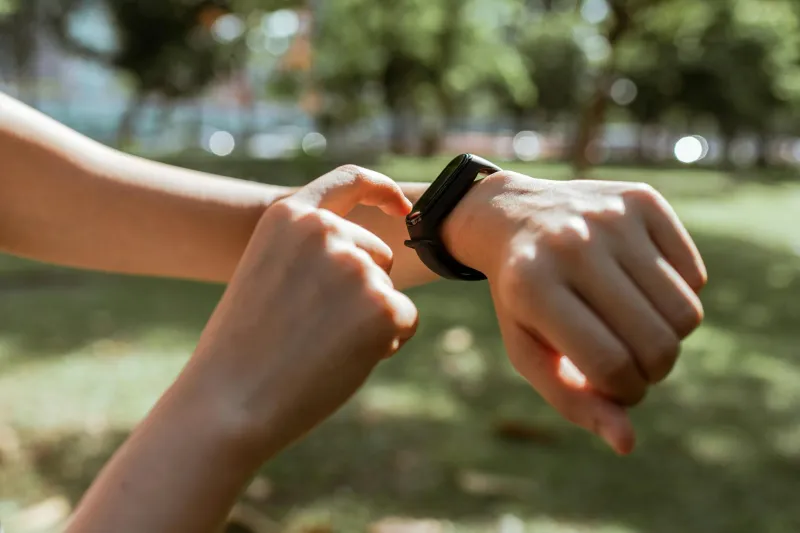
Every morning, millions of Americans strap on fitness trackers and begin chasing the same goal: 10,000 steps. Doctors recommend it. Health apps celebrate it. Insurance companies reward it. But this magic number that drives so much of our daily movement didn't come from a medical study or government health agency.
It came from a 1960s Japanese advertising campaign.
The Pedometer That Named Itself After Its Goal
In 1965, a Japanese company called Yamasa Clock released a pedometer called the Manpo-kei. The name translates directly to "10,000 steps meter." The device wasn't revolutionary — it was a simple step counter. But the marketing was brilliant.
The company chose 10,000 because the Japanese character for the number resembles a walking person. It was catchy, memorable, and easy to understand. The campaign worked so well that the number stuck around long after the original pedometer disappeared from store shelves.
There was just one problem: Yamasa Clock never conducted clinical trials to determine whether 10,000 steps was optimal for human health. They picked the number because it sounded good.
How Marketing Became Medical Advice
The 10,000-step target might have stayed a quirky piece of Japanese marketing history if not for the global fitness boom of the 1990s and 2000s. As pedometers became popular worldwide, the 10,000-step goal traveled with them.
Health organizations began adopting the number without questioning its origins. The American Heart Association started recommending it. Fitness apps made it their default daily target. Workplace wellness programs built challenges around it.
By the time smartphones put step counters in everyone's pocket, 10,000 steps had become so embedded in fitness culture that questioning it seemed almost heretical.
What Exercise Scientists Actually Say
When researchers finally studied daily step targets in controlled settings, they found something surprising: 10,000 steps isn't necessarily better than other amounts.
A 2019 study published in JAMA Internal Medicine followed 16,741 women for four years and found that health benefits plateaued around 7,500 steps per day. Another study of 4,840 adults found that mortality rates dropped significantly at just 4,400 steps daily compared to 2,700 steps.
The optimal number, researchers discovered, depends on age, fitness level, and individual health conditions. For many people, especially those over 60, even 6,000 to 8,000 steps can provide substantial health benefits.
"There's nothing magical about 10,000," says Dr. I-Min Lee, a professor of epidemiology at Harvard Medical School who has studied step counts extensively. "It's a nice round number that's easy to remember, but it's not based on scientific evidence."
 Photo: Dr. I-Min Lee, via doximity-res.cloudinary.com
 Photo: Harvard Medical School, via c8.alamy.com
Why the Myth Persists
The 10,000-step target survives because it serves everyone's interests — except maybe yours.
For fitness companies, it's the perfect goal: high enough to seem challenging but achievable enough that people don't give up immediately. It drives engagement with apps and devices. It creates a clear metric for success.
For employers running wellness programs, it's simple to track and incentivize. For health insurance companies, it provides an easy way to encourage activity without getting into complex individual assessments.
Even for individuals, 10,000 steps offers something psychologically appealing: a concrete daily target that feels scientific and authoritative.
The Real Target Is Movement
Exercise physiologists emphasize that any increase in daily movement provides health benefits. The difference between 2,000 and 4,000 steps per day is more significant for most people than the difference between 8,000 and 10,000.
What matters more than hitting an arbitrary number is establishing a consistent pattern of movement that fits your lifestyle and physical capabilities. For some people, that might be 15,000 steps. For others, especially those with mobility limitations or chronic conditions, 5,000 steps might represent a meaningful achievement.
The Takeaway
The next time your fitness tracker congratulates you for hitting 10,000 steps, remember that you're celebrating a marketing milestone, not a medical one. The real goal isn't reaching a number invented by a Japanese clock company in the 1960s — it's moving more than you did yesterday.
Your body doesn't know how to count to 10,000. But it definitely knows the difference between sitting all day and taking a walk around the block.