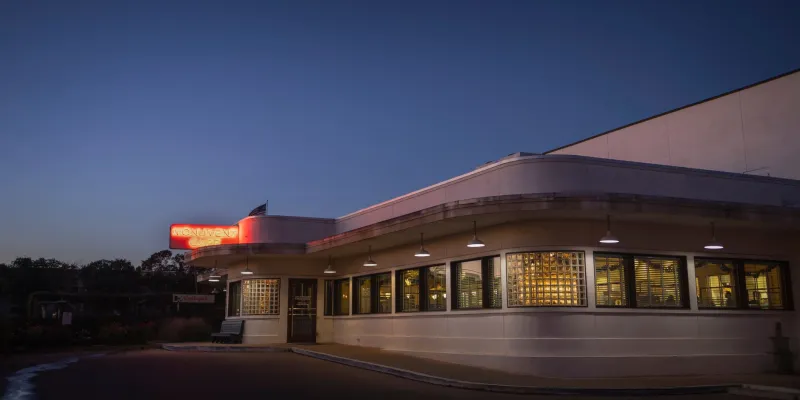
The 'Hidden Gem' Towns That Don't Want to Be Found — But Really, Really Need You to Show Up

Photo by Photo by Roger Starnes Sr on Unsplash on Unsplash
The 'Hidden Gem' Towns That Don't Want to Be Found — But Really, Really Need You to Show Up
Every few months, a listicle makes the rounds. "17 Underrated Small Towns You Need to Visit Before Everyone Else Does." The towns featured are always described the same way: unspoiled, authentic, off the beaten path, the kind of place where locals still wave at strangers and the diner hasn't changed its menu since 1974.
What those articles rarely mention is that the town's chamber of commerce often pitched the story in the first place.
The Performance of Not Caring About Tourists
There's a particular identity that small American towns have learned to perform for outside audiences. It goes something like this: we're not like those tourist traps. We're real. We're genuine. If you find us, consider yourself lucky — but please don't tell anyone.
It's a compelling pitch. And it works, in part, because it feels like the opposite of a pitch.
But spend some time looking at the economic infrastructure of these towns — the local budgets, the grant applications, the zoning decisions, the business licensing patterns — and a different picture emerges. Many of the towns most committed to projecting an "untouched" identity are simultaneously running sophisticated, if low-profile, tourism development strategies. They've hired destination marketing consultants. They've applied for state tourism development grants. They've quietly rezoned old commercial buildings to allow short-term rentals. They've added parking lots on the edge of town so the center looks walkable and quaint.
They want you there. They just don't want to look like they want you there.
What Small-Town Economies Actually Run On
The economic reality of rural America is stark. Decades of manufacturing decline, agricultural consolidation, and population migration toward cities have hollowed out the tax base of thousands of small communities. Schools that once ran on property tax revenue from active local businesses now struggle to fund basic programs. Infrastructure — water systems, roads, public buildings — defers maintenance year after year because the money isn't there.
Tourism, even modest and seasonal tourism, can change that math in a hurry.
A weekend influx of visitors spending money at local restaurants, buying antiques, staying in bed-and-breakfasts, and paying for gas generates sales tax revenue that funds the same schools and roads and fire departments the town would struggle to support otherwise. In some small communities, visitor spending accounts for 20 to 40 percent of total local economic activity — a figure that would shock most of the people doing the visiting.
The Catskills. The Texas Hill Country. The towns along the Blue Ridge Parkway. The small Michigan harbor communities on Lake Superior. These places have branded themselves around authenticity and slowness, and that branding is itself a form of economic infrastructure. The story of being undiscovered is the product being sold.
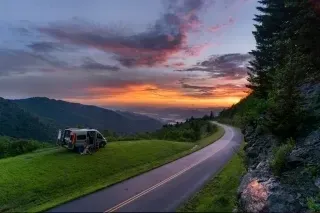 Photo: The Blue Ridge Parkway, via www.visitnc.com
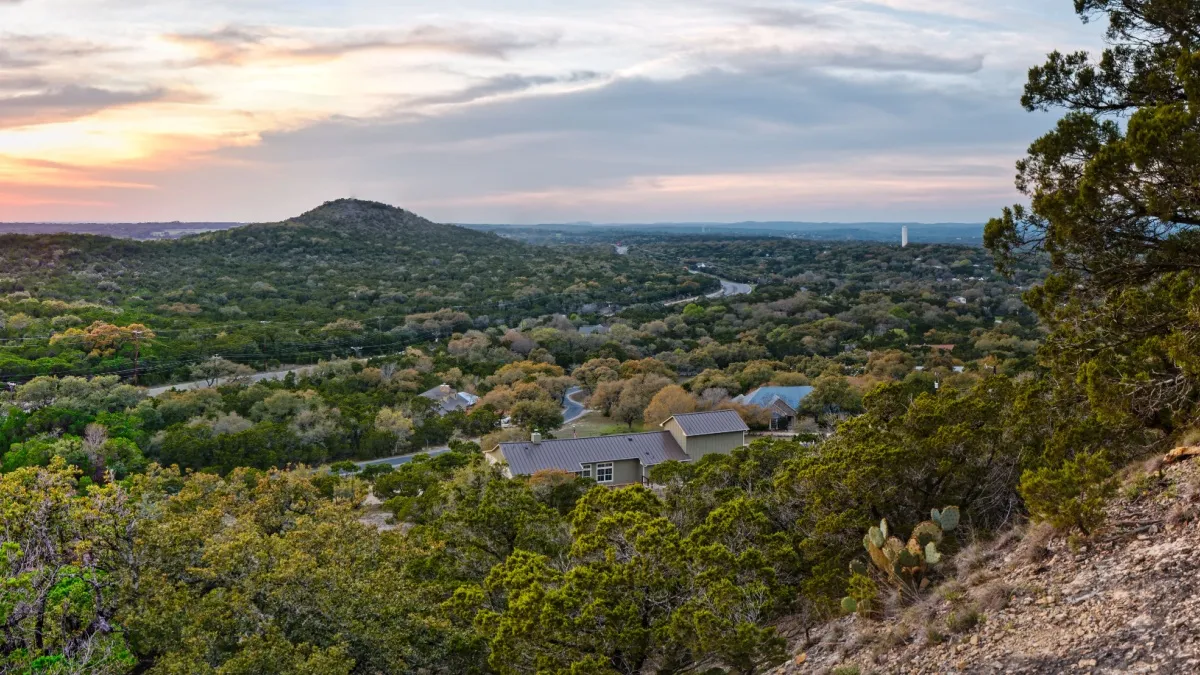 Photo: The Texas Hill Country, via thepassportkitchen.com
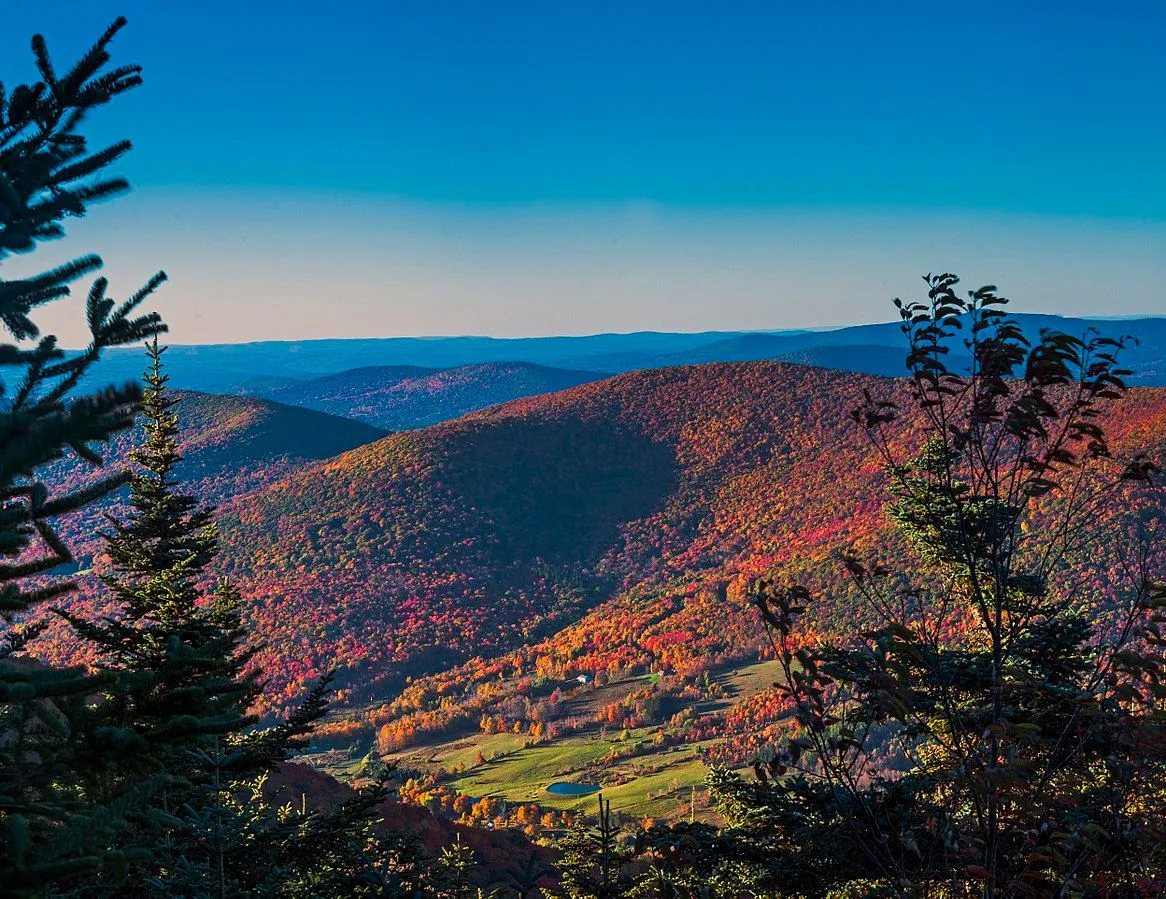 Photo: The Catskills, via static1.thetravelimages.com
The Tension Is Real — and So Is the Resentment
None of this means the tension is fake. Long-term residents of small towns that have become travel destinations often experience genuine disruption. Housing prices rise as vacation rentals and second-home buyers enter the market. The diner that served locals for decades gets priced out of its lease by a boutique coffee shop targeting weekend visitors. The school might have better funding, but the families who built the community can no longer afford to live there.
This is the complicated truth underneath the hidden-gem narrative. Tourism saves the tax base and strains the social fabric at the same time. Local governments navigate this by courting visitor dollars quietly — through regional tourism boards, state-level marketing partnerships, and economic development agencies — while local politicians maintain the public posture of wanting to preserve the town's character. Both things are true simultaneously, which makes the politics messy and the identity question genuinely unresolved.
Some towns have tried to manage it explicitly. A handful of small communities in Vermont, Colorado, and the Pacific Northwest have passed ordinances limiting short-term rentals, capping the number of tourism-adjacent businesses in historic districts, or requiring that a percentage of tourism tax revenue be redirected to affordable housing funds. It's an acknowledgment that the hidden-gem economy creates winners and losers within the same zip code.
What It Means for the Traveler
If you're drawn to small towns precisely because they feel real and unperformed, here's the uncomfortable part: the feeling of authenticity is often the result of careful curation. The town that looks like it hasn't changed in fifty years may have a destination marketing organization working very hard to make sure it keeps looking that way.
That doesn't make the experience worthless. The food is still good. The landscape is still beautiful. The slower pace is still a genuine contrast to urban life. But the idea that you've stumbled onto something untouched by commerce — that you got there before the crowds — is almost always a story the town has helped write.
The Actual Story
America's most beloved small towns are not passive survivors of a simpler era. Many of them are active participants in a tourism economy they've learned to make invisible. The "hidden gem" label isn't a discovery — it's often a marketing category.
The most honest version of the small-town travel experience starts with accepting that. Go for the food, the scenery, the change of pace. Spend money at locally owned businesses. But let go of the idea that you found somewhere tourism hasn't touched. Chances are, tourism has been there longer than you have.