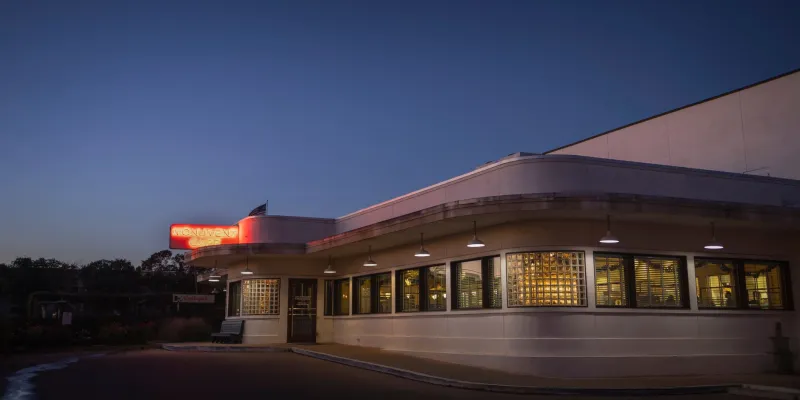
That Hotel Breakfast Buffet Isn't a Perk — It's a Pricing Strategy Wearing a Bow
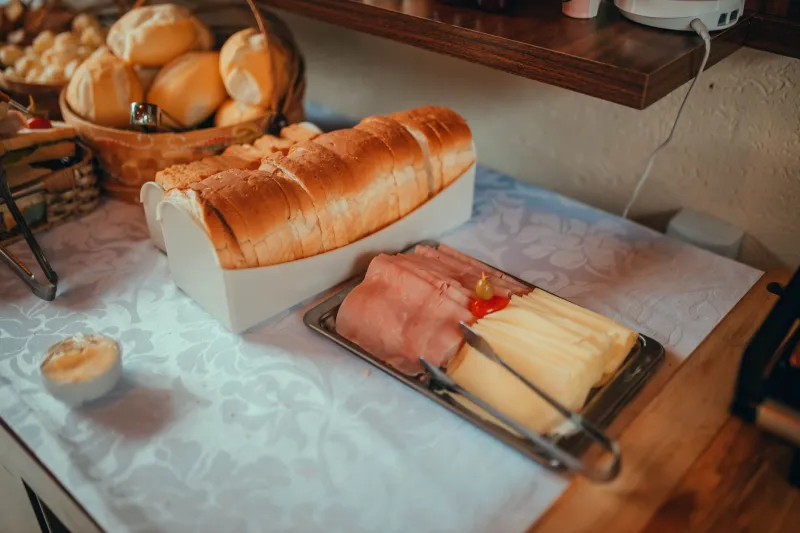
That Hotel Breakfast Buffet Isn't a Perk — It's a Pricing Strategy Wearing a Bow
There's a specific kind of satisfaction that hits when you walk into a hotel breakfast room and load up a plate of scrambled eggs, grab a waffle from the iron, and pour yourself a cup of coffee — all without opening your wallet. It feels like winning. Like the hotel did you a favor.
It didn't.
That breakfast was paid for before you even booked the room. The hotel just made sure you'd forget that part.
The Complimentary Illusion
When a hotel advertises "complimentary breakfast included," the word complimentary is doing a lot of heavy lifting. In hospitality accounting, there's no such thing as a free amenity. Every waffle iron, every carton of orange juice, every foil-wrapped butter pat gets factored into the room rate. What changes is whether that cost is visible on your receipt or quietly absorbed into the nightly price before you ever hit "book."
The markup isn't modest, either. Industry estimates suggest that a continental or hot breakfast setup costs a hotel somewhere between $4 and $9 per guest to provide, depending on the property and the spread. But research on hotel pricing behavior shows that rooms marketed with complimentary breakfast are typically priced $15 to $25 higher per night than comparable rooms at the same property or competitor without it. You're not getting a $7 breakfast for free. You're paying $20 for it and being told it was a gift.
Why Your Brain Goes Along With It
The reason this works so reliably is rooted in something behavioral economists call bundling bias. When a cost is attached to a product rather than listed separately, people consistently underestimate how much they're actually paying. A $189 room "with free breakfast" feels like a better deal than a $169 room where breakfast costs $20 — even though the math is identical, or even tilted in favor of the cheaper base rate.
Hotels know this. The breakfast bundle isn't just a revenue strategy; it's a booking strategy. Properties that include breakfast in the rate consistently outperform competitors in online search conversions, particularly on platforms like Hotels.com and Booking.com where travelers are scanning quickly and responding to perceived value signals. "Free breakfast" is a filter millions of travelers use — and hotels price their rooms accordingly to show up in those results.
 Photo: Booking.com, via mir-s3-cdn-cf.behance.net
 Photo: Hotels.com, via logos-world.net
There's also the psychological weight of a sunk cost. Once you've paid for a room that "includes" breakfast, you feel obligated to eat it, even if you're not hungry, even if you'd rather grab a coffee from the place down the street, even if the eggs taste like they were reconstituted from powder (which, in some cases, they were). The breakfast earns its keep not just as food, but as a reason to feel good about your booking decision.
What the Accounting Actually Looks Like
Hotel revenue managers are remarkably precise about this. In the industry, breakfast is typically categorized under what's called F&B contribution — food and beverage revenue that gets tracked separately from room revenue, even when it's bundled into the rate. Internally, the hotel knows exactly what it cost to feed you and exactly what premium it charged for the privilege.
From a tax and accounting perspective, bundled amenities can also benefit hotels in ways that don't benefit you. In some states, the taxable portion of a hotel room rate can be structured to minimize the tax applied to the food component, which means the hotel's effective cost of offering "free breakfast" is lower than the sticker math suggests — while your effective cost remains the same.
How to Actually Compare Hotels
None of this means you should automatically avoid hotels with included breakfast. For some travelers — families with kids, people on long road trips, early risers who'd pay for coffee anyway — the bundle genuinely makes sense. But the comparison has to be honest.
When you're evaluating two properties, subtract $15 to $20 from the rate of any hotel advertising complimentary breakfast and compare that adjusted number against the base rate of the hotel without it. Then ask yourself whether you'd actually use the breakfast on every morning of your stay. If you're checking in for one night and leaving at 6 a.m., the breakfast is worthless regardless of how it's priced.
Also worth reading: the fine print. Some "included breakfast" offers apply only to the primary guest, charge extra for additional adults, or are limited to a stripped-down continental spread rather than the hot buffet shown in the marketing photos.
The Real Takeaway
The hotel breakfast isn't a scam — but the framing around it is deliberately misleading. You're not getting something for nothing. You're paying a premium for the feeling of getting something for nothing, which is a different transaction entirely.
The smarter move is to treat every hotel amenity — breakfast, parking, Wi-Fi, fitness center access — as a line item you're paying for whether it's listed separately or not. Once you stop thinking of bundled perks as freebies and start thinking of them as pre-purchased services, the comparison math gets a lot clearer.
And the scrambled eggs taste about the same either way.