The 'Independent' Brewery You Support Might Be Owned by the Beer Giant You're Trying to Avoid
The Craft Beer Shell Game
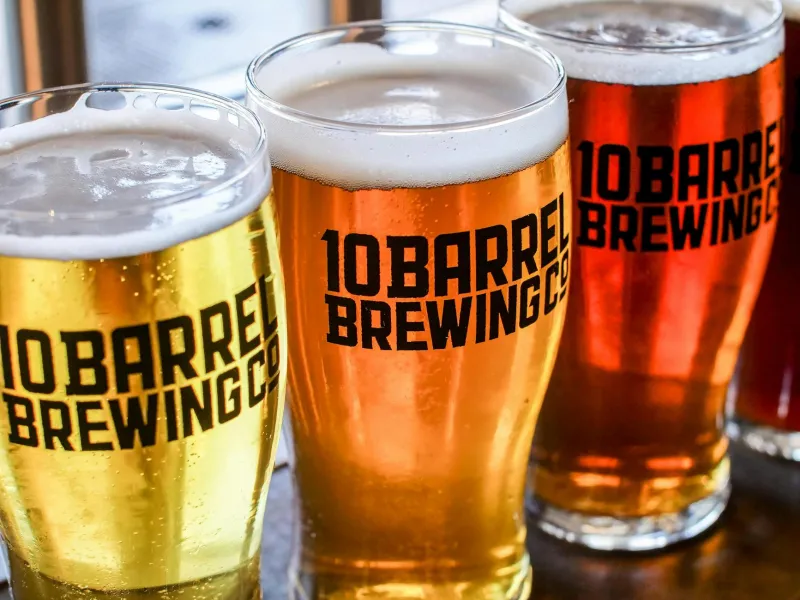
You walk into your local beer shop looking for something that isn't made by "Big Beer." You skip the Budweiser and Coors, reaching instead for Blue Moon, Shock Top, or Goose Island—brands that feel authentic, local, and independent. What you might not know is that every one of these "craft" beers is actually made by the same multinational corporations you're trying to avoid.
This isn't an accident. It's a carefully orchestrated strategy that's reshaped the American beer landscape over the past two decades, often without consumers realizing what's happened to their favorite brands.
The Acquisition Avalanche
Since 2000, Anheuser-Busch InBev has quietly purchased dozens of craft breweries that once operated as truly independent businesses. Goose Island, sold to AB InBev in 2011, still markets itself with Chicago pride and craft credentials. Blue Moon, despite tasting like a Belgian witbier, was actually created by Coors in 1995 and has never been independent.
The acquisitions often follow a similar pattern: a successful craft brewery builds a loyal following, attracts attention from major distributors, then gets an offer they can't refuse from a corporate giant. The purchasing company typically promises to maintain the brewery's character and independence, but the reality is more complicated.
MillerCoors owns Leinenkugel's, Terrapin, and Saint Archer. AB InBev's portfolio includes Elysian, Golden Road, and Wicked Weed. Constellation Brands controls Ballast Point and Funky Buddha. These acquisitions often happen with minimal fanfare, leaving consumers unaware that their preferred "craft" beer now funds the same companies that produce Bud Light and Miller Lite.
The Definition Loophole
The Brewers Association, which represents America's craft brewing industry, defines craft breweries as "small, independent, and traditional." But these terms contain loopholes large enough to drive a beer truck through.
 Photo: Brewers Association, via www.imaios.com
"Small" means producing fewer than six million barrels annually—a threshold that includes some fairly massive operations. "Traditional" requires that at least half of the beer's volume comes from traditional ingredients, but allows for plenty of innovation. "Independent" means that less than 25% of the brewery is owned by a non-craft alcohol company.
Here's where it gets tricky: once a craft brewery is acquired by a major corporation, it loses its "craft" designation from the Brewers Association. But there's no law requiring the brewery to change its marketing, packaging, or positioning. Consumers have no reliable way to know whether the beer they're buying supports an independent business or a multinational corporation.
The Stealth Marketing Strategy
Major beer companies have learned that obvious corporate branding can hurt sales among craft beer drinkers. So they've developed a stealth approach: acquire successful craft brands but maintain their independent appearance. The original brewers often stay on as "brand ambassadors." The packaging keeps its artisanal design. The marketing continues to emphasize local roots and brewing tradition.
Shock Top, for example, was created entirely by Anheuser-Busch but was marketed as if it emerged from the craft beer movement. Its packaging featured hand-drawn artwork and rustic fonts that suggested small-batch production. Many consumers assumed it was an independent brewery that AB InBev had acquired, not a brand created in corporate boardrooms.
Reading the Fine Print
Savvy beer drinkers have learned to look for clues about who actually owns their favorite brands. The Brewers Association maintains a list of craft breweries that meet their independence criteria, but it's not something most consumers check before buying beer.
Some acquired breweries do disclose their corporate ownership, but usually in small print on the back label or website footer. Others maintain the fiction of independence through careful wording—describing themselves as "founded" or "established" in a particular year without mentioning when ownership changed hands.
The most reliable way to identify truly independent craft beer is to research individual breweries or stick to brands that are explicitly certified as independent. Some breweries now use an "independent craft" seal created by the Brewers Association to distinguish themselves from corporate-owned competitors.
Why This Matters
For consumers who care about supporting local businesses and independent entrepreneurs, the craft beer acquisition trend represents a fundamental shift in where their money goes. When you buy Goose Island, you're funding AB InBev's global operations, not a Chicago brewery's growth.
The corporate owners argue that their resources help acquired breweries expand distribution and improve quality control. They point out that many beloved craft beers are now available nationwide because of corporate backing. But critics worry that this consolidation homogenizes beer culture and undermines the entrepreneurial spirit that built the craft beer movement.
The Ongoing Evolution
The craft beer industry continues to evolve as major corporations refine their acquisition strategies and independent breweries fight to maintain their market share. Some states have considered legislation requiring clearer ownership disclosure on beer labels. Consumer advocacy groups push for more transparency about who actually makes what.
Meanwhile, truly independent craft breweries are finding new ways to distinguish themselves from corporate-owned competitors. They're emphasizing local ingredients, community partnerships, and transparent business practices that highlight their independent status.
The Bottom Line
The next time you reach for a craft beer, remember that the authentic-looking label might be masking corporate ownership. The "local" brewery story could be marketing fiction created by the same companies that produce mass-market lagers. In the craft beer world, things aren't always what they seem—and the real story behind your favorite beer might surprise you.