That Distressed Wood Coffee Table Was Distressed in a Factory, Not a Barn
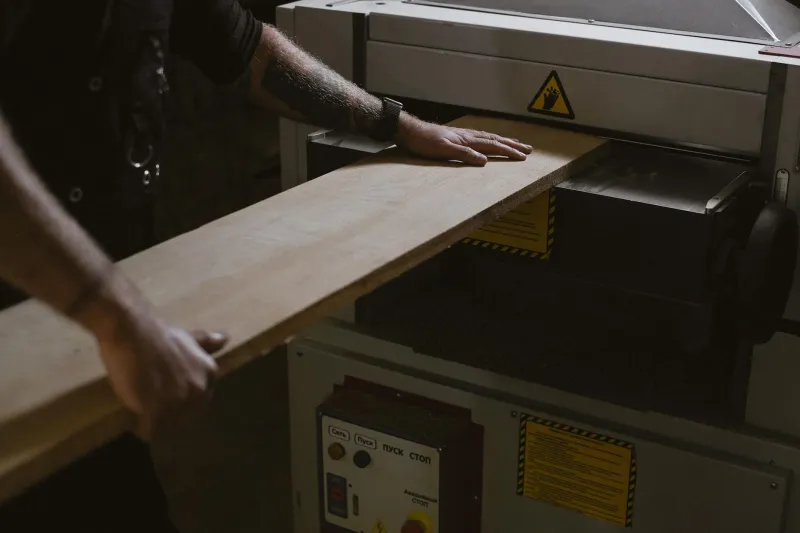
Walk into any American furniture store and you'll find an entire section dedicated to "farmhouse" style: distressed wood dining tables, weathered barn doors repurposed as headboards, and coffee tables that look like they've spent decades in a rural workshop. The price tags suggest these pieces carry authentic stories of American craftsmanship.
Most of them were manufactured last month in overseas factories that specialize in making new things look old.
The Billion-Dollar Business of Fake Authenticity
The farmhouse aesthetic became America's dominant home decor trend sometime around 2015, fueled by HGTV shows and social media influencers. Suddenly, everyone wanted furniture that looked like it came from a 19th-century homestead.
Retailers responded by creating an entire supply chain dedicated to manufactured nostalgia. Factories in Vietnam, China, and other countries developed industrial processes to replicate the natural wear patterns that would normally take decades to develop.
New wood gets treated with chemicals to darken it instantly. Machines create perfectly imperfect gouges and scratches. Hardware is artificially aged using acid washes and tumbling processes. The result looks remarkably authentic — because the goal is to fool your eye, not preserve history.
What 'Reclaimed' Actually Means (And Doesn't)
The language furniture retailers use operates in a carefully constructed legal gray area. Terms like "reclaimed," "vintage-inspired," and "hand-finished" sound meaningful but have almost no regulatory oversight in the furniture industry.
"Reclaimed" wood might mean boards salvaged from old buildings — but it can also mean wood that was "reclaimed" from the factory floor where it was cut yesterday. "Hand-finished" might involve human workers, but those workers could be operating industrial distressing machines.
Unlike food labeling, which is heavily regulated by the FDA, furniture descriptions fall under general consumer protection laws that focus on preventing outright fraud rather than ensuring accuracy about manufacturing processes.
The Real Thing Still Exists (But You'll Pay For It)
Genuine reclaimed wood furniture does exist, and it's usually easy to identify — by the price tag. Authentic pieces from specialty craftspeople typically cost three to ten times more than mass-market "farmhouse" furniture.
Real reclaimed wood shows irregular wear patterns, inconsistent coloring, and unique character marks that machines can't perfectly replicate. The grain patterns vary significantly from board to board because the wood comes from different sources and time periods.
Small workshops that work with genuinely salvaged materials often provide detailed provenance about where their wood originated — specific barns, factories, or buildings with documented histories.
Why Factories Got So Good at Faking Age
The techniques used to artificially age furniture have become remarkably sophisticated. Factories study real antiques to understand how wood naturally weathers, then reverse-engineer those processes.
They've learned that authentic wear happens in predictable patterns: edges get rounded from repeated handling, surfaces develop patina from exposure to light and air, and hardware shows wear in specific spots. Modern distressing equipment can replicate these patterns with surprising accuracy.
Some factories even use real barn wood — but only as templates. They'll buy a few genuine pieces, analyze the wear patterns, then program machines to recreate those exact marks on new lumber.
The Instagram Effect
Social media amplified demand for farmhouse aesthetics but also changed what "authentic" means to consumers. When people see furniture in carefully styled photos, they're often more interested in achieving a particular look than owning pieces with genuine history.
This shift created a market where manufactured authenticity actually works better than the real thing. Factory-distressed furniture photographs beautifully because the wear patterns are designed to look good under modern lighting conditions. Genuine antiques often look too worn or inconsistent for the perfectly curated aesthetic that social media rewards.
How to Spot the Difference
If you're looking for genuinely old or reclaimed furniture, there are tell-tale signs to watch for:
Real wear patterns are irregular and concentrated in areas where people would naturally touch or use the piece. Machine distressing tends to be too uniform and appears in spots that wouldn't naturally see heavy use.
Authentic old wood often has nail holes, stains, or other marks that tell a story about its previous life. Factory distressing creates generic "character marks" that look old but don't correspond to any specific use.
Genuine reclaimed pieces often have slight variations in board thickness, width, or alignment because they were originally built with hand tools and salvaged materials.
The Takeaway
There's nothing inherently wrong with furniture that's designed to look old — as long as you know what you're buying. The problem arises when retailers use language that suggests historical authenticity while delivering industrial reproduction.
If you love the farmhouse aesthetic, factory-made pieces can provide that look at accessible prices. But if you're paying premium prices for what you believe is genuine reclaimed wood, you might want to ask more questions about where that wood actually came from — and when it was last a tree.