Mugshot Websites Turned Public Records Into a Private Extortion Business
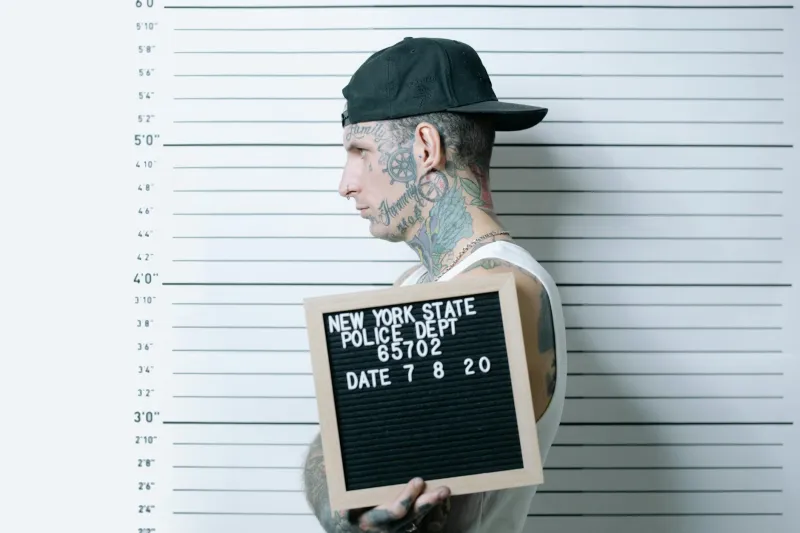
Sarah Martinez was arrested for a minor drug possession charge that was later dismissed. Six months later, she discovered her mugshot prominently displayed on a website called "ArrestRecords.net" alongside her full name, age, and address. The site offered to remove the photo — for a fee of $399.
 Photo: Sarah Martinez, via sarahmartinez.com
This scenario plays out thousands of times each year across America, as a largely unregulated industry has transformed public arrest records into private profit centers.
The Business Model Behind the Mugshots
Mugshot websites operate on a simple but effective business model: they scrape public arrest records from law enforcement databases, publish the photos and information online, then charge removal fees to people who want their images taken down.
The practice is largely legal because arrest records are public information in most states. Once someone is arrested, their mugshot typically becomes part of the public record, regardless of whether charges are filed, dismissed, or result in conviction.
What makes this business particularly profitable is that it specifically targets people's most vulnerable moments. Unlike other public records, mugshots capture people at their worst — often disheveled, upset, or under the influence — and preserve those images permanently online.
Who Gets Targeted (And Why)
Mugshot websites don't publish every arrest photo they can find. They're selective about which images to feature, and their choices reveal the business strategy behind the operation.
People arrested for minor offenses like DUI, drug possession, or domestic disputes are prime targets because these charges often get reduced or dismissed — meaning the person has both the motivation and financial means to pay for removal.
Those arrested for serious felonies are less likely to be featured because they're often facing prison time and don't have the resources to pay removal fees. The websites focus on people who have something to lose: jobs, relationships, or reputations.
The industry also targets people in specific geographic areas, particularly smaller cities and suburban communities where a mugshot is more likely to be seen by employers, neighbors, or family members.
How Public Records Law Created a Loophole
The legal foundation for mugshot websites lies in Freedom of Information laws designed to keep government transparent. These laws require police departments to make arrest records publicly available, including booking photos.
These transparency rules were created long before the internet existed, when accessing public records meant physically visiting a courthouse or police station. The laws never anticipated that private companies would systematically harvest this information and republish it for profit.
Most states have tried to address the problem by passing laws that restrict mugshot websites' business practices, but enforcement is difficult because many of the companies operate from states with weaker regulations or from overseas.
The Removal Fee Ecosystem
The amounts charged for photo removal vary widely, from $99 to over $1,000 per image. Some websites offer "premium" removal services that promise faster processing or removal from multiple sites.
What many people don't realize is that paying one website doesn't guarantee the photo won't appear elsewhere. The same mugshot often appears on dozens of different sites, each operated by different companies with separate removal policies.
Some websites have created networks where removing a photo from one site automatically removes it from affiliated sites, but these arrangements are typically not disclosed to customers paying removal fees.
The Employment Impact
For many people, the primary concern isn't legal — it's professional. Background check companies routinely scan these websites, meaning a mugshot can show up in employment screenings even if the underlying charges were dismissed.
A 2019 study by the National Association of Professional Background Screeners found that 73% of employers conduct online searches of job candidates, and mugshot websites are often among the top results for someone's name.
This creates a permanent employment penalty for people who were never convicted of any crime. Even when charges are dropped or dismissed, the mugshot remains online indefinitely unless removed through paid services.
Why Law Enforcement Doesn't Control This
Police departments have little incentive or ability to control how their public records are used by private companies. Once arrest information is released as part of public records requirements, law enforcement agencies generally have no legal authority over how that information is republished.
Some departments have tried to limit mugshot access by charging fees for records requests or by only providing photos in response to specific inquiries rather than posting them online. But these efforts are often challenged in court by media organizations and transparency advocates.
The result is a system where police departments are required to make arrest information public, but they have no control over how private companies monetize that information.
State Responses and Their Limitations
More than 30 states have passed laws attempting to regulate mugshot websites, but the effectiveness varies widely. Some states prohibit charging removal fees, while others require websites to remove photos automatically when charges are dismissed.
Enforcement remains challenging because many websites simply move their operations to states with weaker laws or register their companies overseas. Even when states successfully prosecute mugshot website operators, new sites quickly emerge to fill the void.
The most effective state laws tend to focus on restricting how the information can be published rather than trying to control the business model directly.
The Takeaway
The mugshot industry represents a unique collision between transparency laws designed for a pre-digital era and modern internet business models. What began as a way to keep government accountable has evolved into a system that can permanently damage people's reputations and employment prospects.
While arrest records should remain public, the current system allows private companies to profit from people's worst moments while providing little public benefit. Until laws catch up with technology, thousands of Americans will continue discovering that their arrest photos have become someone else's business opportunity.