That 'Complimentary' Breakfast at Your Hotel? You Already Paid for It at Checkout
That 'Complimentary' Breakfast at Your Hotel? You Already Paid for It at Checkout
There's something genuinely satisfying about walking down to a hotel lobby at 8 a.m., grabbing a plate of scrambled eggs and a waffle, and thinking, well, this didn't cost me anything. It feels like a win. Like the hotel is doing you a favor.
Except it's not. And you're not winning.
The breakfast was never free. You paid for it the moment you hit "confirm booking."
How the Math Actually Works
Hotel pricing isn't random. Revenue managers — the people whose entire job is to squeeze maximum income from every room — run detailed calculations on what guests are willing to pay for specific amenities. Breakfast is one of the most studied line items in that equation.
When a hotel decides to offer a "complimentary" morning meal, it doesn't absorb that cost out of generosity. It folds the expense into the room rate and then some. Studies on hotel pricing behavior consistently show that properties advertising free breakfast charge anywhere from $15 to $40 more per night than comparable hotels in the same market that don't offer the perk.
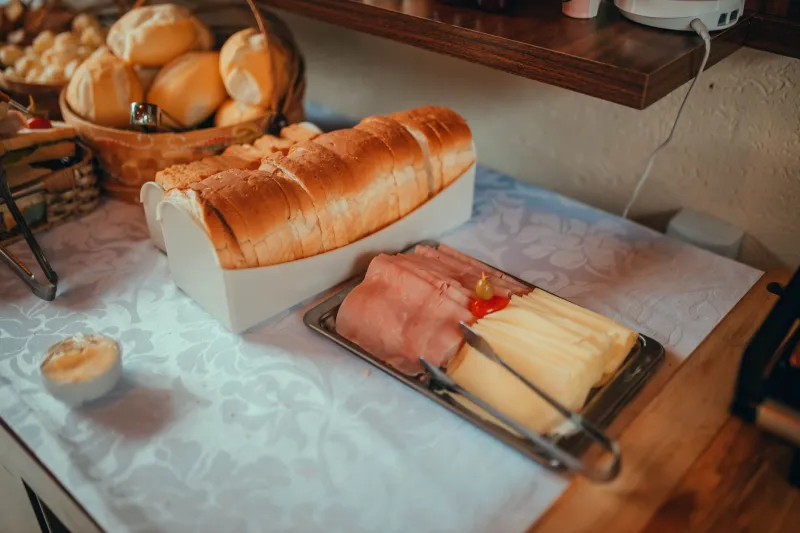
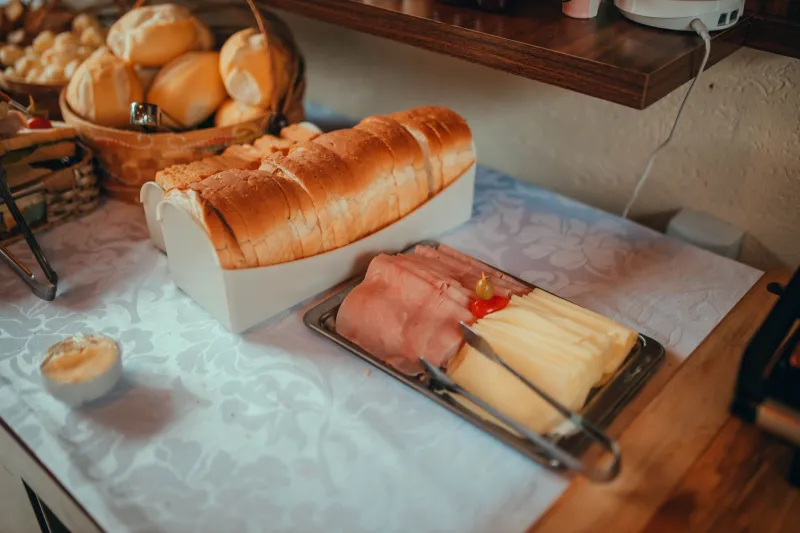
For a modest continental spread — the kind with boxed cereal, shrink-wrapped pastries, and a waffle iron that's always slightly broken — the actual cost to the hotel per guest runs between $4 and $9. A hot buffet with eggs and bacon might cost the property $10 to $15 per person. The markup guests pay through their room rate frequently doubles or triples that figure.
So the hotel profits. The guest feels like they got something for nothing. Everyone goes home happy — or at least, the hotel does.
Why 'Free' Is Such a Powerful Word
Psychologists who study consumer behavior have documented something called the "zero price effect" for decades. When something is labeled free, people assign it value that far exceeds its actual worth. We become irrationally attracted to it.
Hotel marketers understand this deeply. Framing a bundled cost as a complimentary gift triggers a different emotional response than simply charging a lower rate and letting guests buy their own breakfast. Even when the math works out the same — or worse for the traveler — the word "free" creates a sense of bonus, of reward, of being taken care of.
This is why hotel booking sites let properties filter by "free breakfast included." It's a search feature that serves the hotel's marketing interest as much as it serves the traveler's practical one. Guests who filter for that perk are, by definition, already primed to value it — and therefore already primed to overlook the inflated room rate attached to it.
The Traveler Who Actually Comes Out Ahead
Here's where it gets genuinely useful. Not every traveler is the same, and the breakfast bundle isn't always a bad deal — it depends entirely on your situation.
If you're traveling with kids who need a real morning meal, or if you're in a city where a sit-down breakfast runs $20 a head, a hotel that bundles the cost might actually pencil out in your favor. A family of four in New York City or San Francisco paying $30 more per night for breakfast that would otherwise cost them $80 at a nearby café? That's a reasonable trade.
 Photo: San Francisco, via a.cdn-hotels.com
 Photo: New York City, via i.pinimg.com
But a solo business traveler who grabs coffee at the airport and skips breakfast entirely? That person is paying a $25-per-night premium for a waffle they'll never eat.
The practical move is to do what hotel revenue managers are counting on you not doing: the actual math. Look at comparable hotels in the same area without the breakfast perk. Compare the nightly rates. Then ask yourself what breakfast would realistically cost you out of pocket — at a nearby diner, a coffee shop, or even a grocery store. If the rate difference exceeds that number, you're overpaying for the illusion of a free meal.
Why This Misconception Sticks Around
Part of why the "free breakfast" myth persists is that it's genuinely convenient to believe. Nobody wants to audit their hotel booking like a forensic accountant. Travelers are making dozens of decisions at once — flights, ground transportation, itinerary — and a bundled breakfast feels like one less thing to think about.
Hotel loyalty programs reinforce the dynamic. Many reward tiers include complimentary breakfast as a status benefit, which creates an association between the perk and feeling valued. When a front desk agent says "and as a Gold member, breakfast is on us," it feels personal. Earned. That emotional framing makes the pricing structure even harder to see clearly.
There's also the anchoring effect of the menu price. When hotels that charge for breakfast list items at $16 for eggs or $12 for oatmeal, suddenly the "free" version at the property next door seems like a steal — even if that property's room rate already absorbed those costs and then some.
The Actual Takeaway
None of this means you should reflexively avoid hotels with breakfast included. It means you should stop treating "complimentary" as a synonym for "free." It isn't. It's a pricing and marketing decision that may or may not work in your favor depending on how many people are in your group, where you're traveling, and whether you actually eat breakfast.
The hotel industry has spent decades perfecting the art of making bundled costs feel like gifts. The best thing a traveler can do is simply run the numbers before booking — and stop letting the word "free" do all the thinking.