America's 'Historic' Town Squares Were Built for Commerce, Not Community
The $50 Million Nostalgia Project
Drive through any revitalized downtown in America, and you'll likely encounter a freshly renovated town square complete with heritage plaques, period-appropriate benches, and carefully landscaped green space. These projects cost cities millions of dollars and are marketed as restoring authentic community gathering places that anchor local democracy.
There's just one problem: most of these squares were never community gathering places to begin with.
What Town Squares Actually Were
The original American town square served a distinctly unglamorous purpose—commerce. These open spaces were designed as market squares where farmers could sell livestock, merchants could display goods, and traders could conduct business. Think less Norman Rockwell painting and more outdoor shopping mall.
In colonial Williamsburg, the market square hosted slave auctions alongside vegetable sales. Philadelphia's squares were laid out by William Penn as commercial zones where residents could buy everything from fresh fish to handmade tools. The famous town green in New Haven, Connecticut, originally served as a grazing area for livestock between market days.
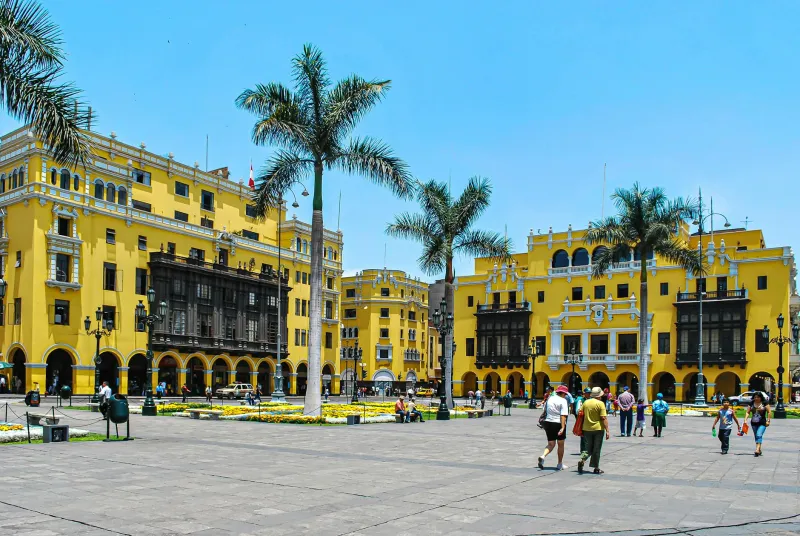
 Photo: colonial Williamsburg, via static.byggahus.se
The smell alone would have kept most residents away unless they had business to conduct.
The Political Theater Version
When town squares did host community events, they were typically political rallies or public punishments—not the friendly neighborhood gatherings we imagine today. These spaces were designed for crowds to assemble quickly and disperse just as fast, not for lingering conversations or leisurely strolls.
Boston Common, one of America's oldest public squares, was used for military training, cattle grazing, and public executions. The community gathering aspect was more about witnessing justice than building social bonds. Even town meetings, when they occurred in public squares, were formal governmental proceedings rather than casual community conversations.
How We Romanticized the Past
The nostalgic vision of the town square as America's democratic heartland emerged in the 20th century, largely through Hollywood films and Norman Rockwell illustrations. This imagery became particularly powerful during the suburban boom of the 1950s, when Americans living in car-dependent neighborhoods began romanticizing the walkable communities their grandparents had left behind.
Urban planners embraced this mythology because it provided historical legitimacy for modern development projects. Calling a new plaza a "restored town square" sounds more authentic than admitting you're building a shopping district from scratch.
The Modern Reinvention
Today's restored town squares are engineered for an entirely different purpose than their historical predecessors. Modern squares are designed as "third places"—social spaces that aren't home or work—complete with WiFi, food trucks, and programming designed to encourage lingering.
The city of Franklin, Tennessee, spent $15 million renovating its downtown square, complete with heritage markers describing its role as a "traditional community gathering place." Historical records show the square was primarily used for cotton trading and included a slave market until the Civil War. The community gathering happened around the edges, not in the center.
 Photo: Franklin, Tennessee, via cdn.credihealth.com
Similarly, the renovated town square in McKinney, Texas, markets itself as a restoration of the city's "historic heart." The original square was a railroad depot surrounded by cotton warehouses. The current version features artisanal coffee shops and boutique retailers—a commercial function, but entirely different from its agricultural origins.
The Economics of Nostalgia
Modern town square projects succeed because they fulfill a genuine need for public space in car-dependent communities, but they're marketed using historical narratives that never existed. These projects work economically because they increase property values and attract tourists, not because they restore authentic traditions.
The irony is that today's town squares often function more as community gathering places than their historical counterparts ever did. The mythology has created a reality that's more appealing than the original.
What We Actually Lost
The real loss in American community life wasn't the town square—it was the corner store, the local barbershop, and the neighborhood tavern where people encountered each other during daily routines. These informal gathering places required no special programming or municipal investment; they emerged naturally from the rhythm of everyday life.
The challenge for modern communities isn't restoring a mythical past but creating new spaces that serve contemporary needs while acknowledging what actually worked about older urban forms.
The Value of Honest History
Understanding the real history of town squares doesn't diminish their value today—it clarifies what we're actually trying to accomplish. Modern town squares succeed when they're designed as new solutions to contemporary problems, not as replicas of a past that never quite existed the way we remember it.
The next time you visit a restored town square, appreciate it for what it is: a modern invention that serves genuine community needs, dressed in the comfortable clothes of a past that's more appealing in memory than it ever was in reality.