Your 'No-Fee' Bank Account Is Making Money Off You in Twelve Different Ways
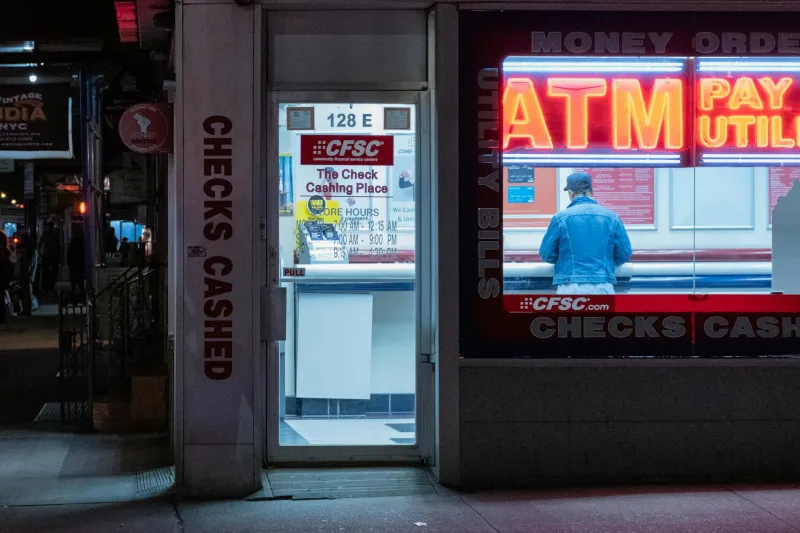
The Free Lunch That Costs $300 a Year
Walk into any bank branch in America, and you'll see signs advertising "Free Checking" in bold letters. No monthly maintenance fees, no minimum balance requirements, no strings attached. Except there are strings—dozens of them—and they're designed to be invisible until you accidentally trip over one.
The average American pays $329 annually in banking fees, according to recent industry data. That's nearly $30 a month for accounts marketed as free. The disconnect isn't accidental—it's the entire business model.
How 'Free' Banking Became Expensive
Before the 1980s, banks operated under strict regulations that limited how they could compete for customers. When deregulation hit, banks needed new ways to attract depositors while maintaining profitability. The solution was elegant: advertise the absence of the most visible fee while creating revenue through charges customers wouldn't notice until after they'd signed up.
Today's "free" checking account is like a freemium app. The basic service costs nothing, but every additional action triggers a fee. The difference is that banking fees aren't optional upgrades—they're penalties for normal financial behavior.
The Hidden Revenue Streams
Your bank makes money from your free account in ways that would surprise most customers. Overdraft fees generate $15 billion annually for the industry, with the average customer paying $250 per year when they overdraw. But overdrafts are just the beginning.
Wire transfer fees can run $25 for domestic transfers and $50 for international ones, even though the actual cost to the bank is pennies. ATM fees hit non-customers with $3-5 charges, but even account holders pay when using out-of-network machines. Foreign transaction fees add 2-3% to every international purchase, whether you're buying something online or traveling abroad.
Then there are the stealth charges. Many banks impose dormancy fees if you don't use your account for 90-180 days. Paper statement fees can run $5-10 monthly. Some institutions charge for speaking to a human teller more than a certain number of times per month.
The Psychology of Fee Architecture
Banks employ behavioral economists to design fee structures that feel fair while generating maximum revenue. Overdraft fees, for instance, are structured to hit when customers are most vulnerable financially. The $35 charge for a $5 coffee purchase feels punitive because it is—it's designed to generate revenue from financial mistakes.
The timing isn't coincidental either. Banks can legally reorder your daily transactions to maximize overdraft fees, processing large withdrawals before small deposits to increase the likelihood you'll go negative. This practice was restricted but not eliminated by recent regulations.
Reading Between the Lines
Every bank account comes with a fee disclosure document—usually 20-40 pages of dense legal text that customers routinely ignore. These documents contain the real terms of your "free" account, including fee schedules that can change with 30 days' notice.
The most profitable customers for banks are those who maintain large balances while rarely using fee-generating services. The least profitable are those who maintain small balances and frequently trigger penalties. The entire fee structure is designed to subsidize the former group with charges from the latter.
What Actually Works
Understanding your bank's fee structure is the first step toward avoiding unnecessary charges. Most banks offer fee waivers for customers who meet certain criteria—maintaining minimum balances, setting up direct deposit, or using the account regularly.
Credit unions often provide genuinely fee-free banking because they're member-owned cooperatives rather than profit-driven corporations. Online banks frequently offer better terms because they have lower overhead costs than traditional brick-and-mortar institutions.
The Real Cost of 'Free'
The next time you see a "Free Checking" sign, remember that banks are publicly traded companies with shareholders expecting profits. That money comes from somewhere, and it's usually from customers who thought they were getting something for nothing.
The most honest thing about modern banking might be the fine print—it tells you exactly how much your free account will cost once you start using it like a real person with real financial needs.