The Lifetime Warranty on Your Mattress Is Real — The Definition of 'Lifetime' Is Where Things Get Interesting
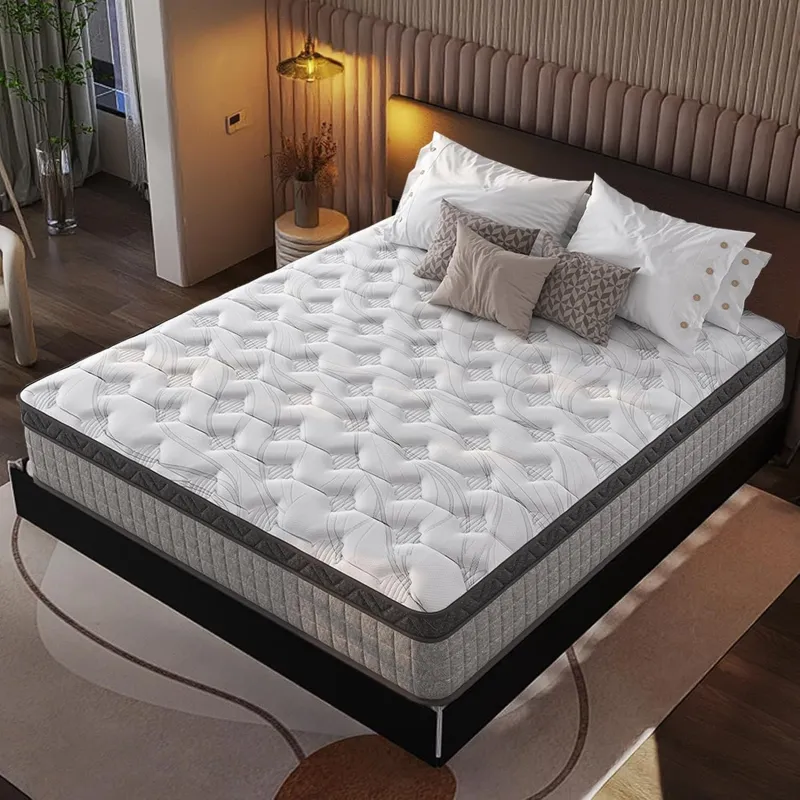
Photo: mattress warranty document fine print bedroom, via m.media-amazon.com
You bought the mattress. You paid good money for it — maybe a lot of good money. And somewhere in the box or on the receipt was a card that said the magic words: Lifetime Warranty. You probably filed it away with the vague satisfaction of knowing you were covered, and then you went to sleep.
Fast forward a few years. The mattress is sagging. You dig out that warranty card. And that's when things get complicated.
Mattress warranties are one of the most misunderstood consumer protections in the American marketplace — not because manufacturers are being outright dishonest, but because the language they use is carefully constructed to sound more generous than it actually is.
'Lifetime' Doesn't Mean What You Think It Means
Here's the first thing most people don't realize: when a mattress company says "lifetime warranty," they generally mean the useful life of the mattress — not the span of your life. That's a meaningful distinction.
In practice, this often translates to somewhere between 10 and 25 years, depending on the brand's internal guidelines. Some companies are upfront about this in their warranty documentation. Others leave it deliberately vague, letting the word "lifetime" do marketing work while the fine print quietly limits what that actually means.
Beyond the time frame, there's the question of what the warranty actually covers. And this is where most people get genuinely surprised.
The Defect vs. Wear Divide — And Why It Matters
Mattress warranties almost universally cover manufacturing defects. That sounds reasonable. The problem is how narrowly "defect" gets defined once you're actually reading the document.
Sagging is the most common complaint mattress owners bring to warranty claims. And almost every major mattress brand covers sagging — but only beyond a specific threshold, typically measured in inches. That threshold is often set at 1.5 inches, though some brands set it at 1 inch and others push it to 2.
Here's the catch: if your mattress is visibly, uncomfortably sagging — but the sag only measures 1.2 inches — you may be out of luck. The warranty exists, but your particular problem doesn't quite meet the bar.
Similar logic applies to other issues. Coil failures, foam separation, and cover defects are often covered. But body impressions (the natural compression that happens where you sleep every night) are frequently classified as normal wear, not a defect. So the very thing that's making your back ache in the morning might be explicitly excluded from coverage.
The Documentation Hurdles Nobody Warns You About
Let's say your mattress genuinely has a qualifying defect. You file a claim. What happens next?
Most major mattress brands require you to submit photographic evidence of the issue — which sounds simple until you realize the photos need to meet specific standards. Some companies require a straight edge or ruler placed across the mattress to demonstrate the depth of the sag. Others want images taken in specific lighting conditions.
Beyond photos, many warranties require proof of purchase. Not just a receipt — sometimes the original retailer receipt, the original order confirmation, and in some cases documentation that the mattress was properly supported on an approved foundation or bed frame.
That last point is worth pausing on. Many mattress warranties are voided if the mattress was ever placed on a foundation that the manufacturer didn't approve. If you put your new mattress on an old box spring, a platform bed with slats spaced too far apart, or an adjustable base that wasn't on the approved list, your warranty may already be void — and you wouldn't know it until you tried to file a claim.
The Things That Void Coverage (That Nobody Reads)
Here's a partial list of things that commonly void mattress warranties in the United States:
- Stains of any kind. Most warranties explicitly exclude coverage if the mattress has any staining, even if the stain has nothing to do with the defect you're claiming. This is why mattress companies strongly recommend using a waterproof protector — and why that advice benefits them as much as it benefits you.
- Improper foundation. As mentioned above, the wrong bed frame or box spring can void coverage entirely.
- Commercial use. Using a residential mattress in a rental property, vacation home, or Airbnb listing often voids the warranty.
- Physical damage. Burns, cuts, or tears — regardless of cause — typically eliminate coverage.
- Removal of the law tag. Yes, that little tag on the corner of your mattress. In some warranty documents, removing it technically voids coverage.
Why This Persists — And What You Can Actually Do
The reason mattress warranties work this way isn't pure cynicism. There are legitimate business reasons for the exclusions — stained mattresses genuinely are harder to inspect, and improper foundations do cause premature wear. But the marketing language around "lifetime warranty" creates an expectation gap that almost always favors the manufacturer.
If you're buying a new mattress, a few practical steps can protect you:
Read the warranty document before you buy, not after. Most brands publish their full warranty terms on their websites. The specific sagging threshold, the foundation requirements, and the claim process are usually all in there.
Keep your proof of purchase somewhere you can actually find it. A photo of the receipt stored in your email is a reasonable backup.
Use a mattress protector from day one. A single stain can eliminate your ability to make any future claim, regardless of the actual defect.
Note your foundation. If you're buying a new mattress, check whether your existing bed frame is compatible with the warranty terms before you assume you're covered.
A lifetime warranty on a mattress isn't a scam. But it's also not a blank check. It's a contract with specific terms — and the people who wrote those terms had a lot more practice reading them than you did.