The Weekend You Spent Getting 'Certified' to Train People at the Gym
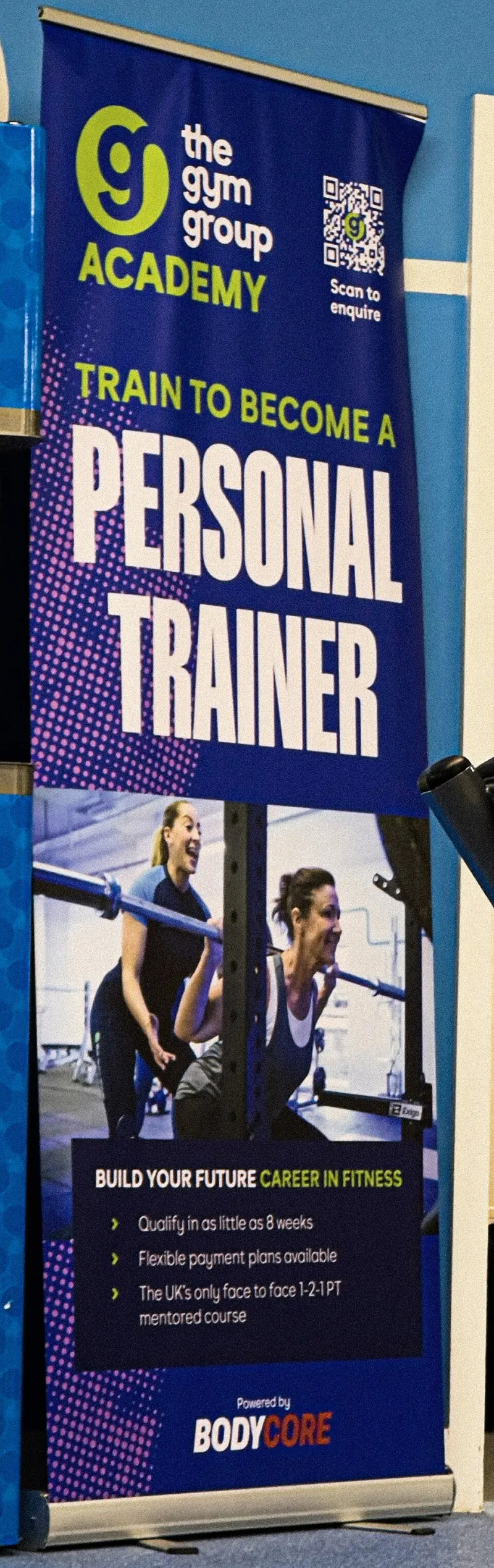
Photo: OathOn, CC BY-SA 4.0, via Wikimedia Commons
Walk into almost any gym in America and you'll see a wall of framed certificates behind the front desk. They look serious, official, even academic. Names like "NASM," "ACE," and "ISSA" sit inside clean frames next to headshots of smiling trainers. The implication is clear: these people have been vetted, tested, and credentialed by someone who knew what they were doing.
Some of them have. Others passed an online exam after a few weekends of self-study and paid a processing fee. And here's the thing — both of those people are legally allowed to call themselves certified personal trainers in every single state in the country.
There Is No Government License for Personal Trainers
In the United States, personal training is not a licensed profession. Not federally, and not in any state. That means there is no government body setting minimum education requirements, no standardized curriculum, and no licensing exam with teeth behind it. Anyone who wants to train clients for money can do so without a single credential — and the credentials that do exist come from private organizations that set their own rules.
This is fundamentally different from how other health professions work. Physical therapists need a doctorate and a state license. Registered dietitians complete accredited programs and pass a national board exam. Nurses, occupational therapists, and athletic trainers all operate under state oversight. Personal trainers operate under the standards of whoever sold them their certification — which can range from genuinely rigorous to barely-there.
The number of certifying organizations in the U.S. is staggering. Estimates put it somewhere north of 300, though the real number is hard to pin down because new ones appear regularly. Most require passing a written exam. Some require hands-on practical hours. A few require a degree in a related field. Many require none of those things beyond a basic CPR card and a credit card number.
What the Certificates Actually Say
Not all certifications are created equal, and the fitness industry has developed its own internal hierarchy — even if that hierarchy is invisible to most gym-goers.
The National Commission for Certifying Agencies (NCCA) provides third-party accreditation for some fitness certifications, and that accreditation is generally considered a meaningful quality signal. Organizations like NASM, ACE, NSCA, and ACSM have earned NCCA accreditation, which means their exams meet a certain standard of rigor and their continuing education requirements are enforced. These certifications typically require months of study and have meaningful pass rates — meaning a real percentage of people who sit for the exam don't pass.
But plenty of gyms hire trainers with certifications that have no such accreditation. And even within the NCCA-accredited world, a certification is fundamentally a written test. It measures whether someone could answer questions correctly on exam day. It doesn't measure whether they can coach a movement, spot a compensation pattern, or adjust a program when a client's knee starts acting up.
Experience, mentorship, and practical hours matter enormously in this field — and none of those things show up in a frame on a wall.
Why Gyms Display These Credentials So Prominently
Gym operators aren't naive. They understand that most members don't know the difference between an NCCA-accredited certification and one that was earned over a holiday weekend. What they do know is that credentials — any credentials — create a sense of professional legitimacy that makes clients more comfortable spending $80 to $150 an hour on personal training sessions.
There's also a liability angle. Having documented certifications on file gives gyms a paper trail that demonstrates due diligence. If something goes wrong, the gym can point to a stack of credentials as evidence that they hired trained professionals. Whether those credentials actually predict safe or effective training is a separate question.
For the trainers themselves, certifications are often a practical necessity rather than a knowledge gateway. Many gyms require at least one cert before they'll bring someone on staff, regardless of that person's actual background or experience. A former college athlete with five years of practical coaching experience might need to pass a weekend cert just to get hired — while someone with no background whatsoever can sit the same exam and earn the same credential.
What Actually Predicts a Good Trainer
If the certificate on the wall isn't a reliable signal, what is?
People who work in exercise science and physical therapy tend to look for a few things that don't show up in framed credentials. A four-year degree in kinesiology, exercise science, or a related field provides a depth of anatomical and physiological understanding that most certifications don't replicate. Trainers who have worked under experienced mentors — especially in clinical or sports performance settings — tend to have a practical fluency that self-study can't provide.
Continuing education matters too, but only if the trainer is actually applying it. Someone who collects specialty certifications in everything from kettlebells to nutrition without deepening their core competency is doing a different thing than someone who's spent years working with a specific population and genuinely understanding how bodies respond to training.
Asking a trainer direct questions is more useful than reading their wall. How do they handle a client who comes in with lower back pain? What do they do when progress stalls? How do they decide when to push harder and when to back off? The answers to those questions reveal far more than any laminated certificate.
The Takeaway
The fitness industry's credentialism isn't fake — it's just inconsistent. Some certifications represent real knowledge and genuine preparation. Others represent a weekend, a study guide, and a passing score. The consumer has almost no way to tell the difference from the outside, which is exactly why understanding how the system works gives you a meaningful advantage.
The best personal trainers in this country are often genuinely excellent. But the credential on the wall is a starting point for your own research, not the conclusion.