The Water Temperature That Actually Cleans Your Hands Has Nothing to Do With Heat
The Water Temperature That Actually Cleans Your Hands Has Nothing to Do With Heat
Walk into any American bathroom and watch people wash their hands. You'll see the same ritual: turn the faucet all the way to hot, wait for steam to rise, then scrub under water that's almost too hot to touch. We've been taught that hot water kills germs, so naturally, the hotter the better, right?
Wrong. And the real story behind effective handwashing might make you rethink everything you know about this daily habit.
The Hot Water Myth That Won't Die
The belief that hot water is essential for killing germs runs deep in American culture. Ask anyone why they crank up the heat when washing their hands, and you'll hear some version of "hot water kills bacteria." It sounds logical — after all, we use hot water to sterilize dishes and sanitize surfaces.
This assumption is so widespread that it's shaped our infrastructure. American homes are designed around the expectation that we need instant hot water in every bathroom and kitchen. We spend billions on water heaters, energy bills, and plumbing systems built around delivering scalding water on demand.
But here's what researchers have discovered: when it comes to handwashing, water temperature makes virtually no difference in removing bacteria from your skin.
What the Science Actually Shows
Study after study has reached the same conclusion. Researchers at Rutgers University tested water temperatures ranging from 60°F to 100°F and found no significant difference in bacterial reduction. A separate study published in the Journal of Food Protection compared cold, lukewarm, and hot water across multiple handwashing scenarios. The results? Temperature had no measurable impact on germ removal.
The reason is simpler than you might expect. The water coming out of your faucet — even when it feels scalding hot — isn't actually hot enough to kill bacteria. To truly sterilize through heat alone, you'd need water around 160°F or higher. That's hot enough to cause serious burns in seconds.
The "hot" water from your bathroom faucet typically reaches about 120°F at most. That's warm enough to be uncomfortable, but it's nowhere near the temperature needed to kill germs through heat.
Where This Misconception Came From
The hot water myth likely stems from our understanding of other cleaning processes. We know that dishwashers use extremely hot water (around 140-160°F) to sanitize dishes. We've seen how boiling water sterilizes medical instruments. These legitimate uses of high-temperature sterilization created a mental shortcut: hot water kills germs.
Early public health campaigns may have inadvertently reinforced this idea. When authorities emphasized the importance of "hot, soapy water" for handwashing, people focused on the wrong word. The "hot" wasn't the active ingredient — the "soapy" was.
Marketing probably played a role too. Water heater companies had every incentive to promote the idea that hot water was essential for cleanliness. The more hot water people used, the more equipment they needed.
What Actually Removes Germs
If temperature doesn't matter, what does? The answer reveals why handwashing works at all.
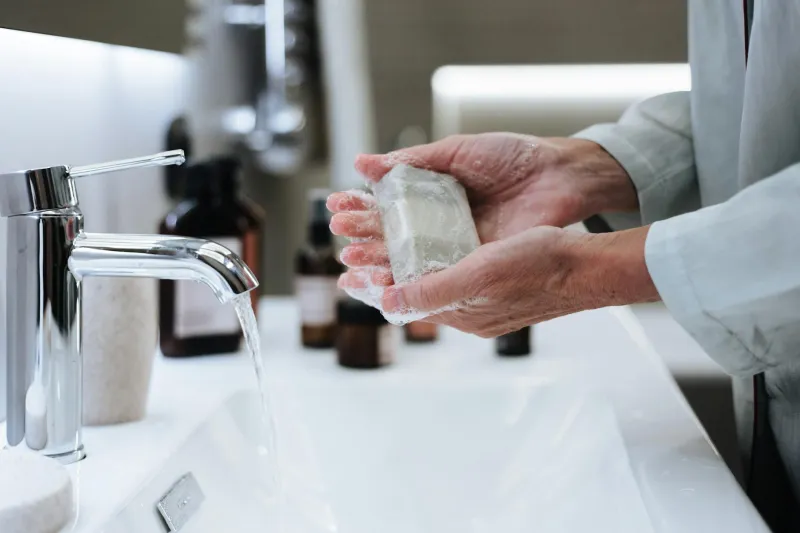
Soap is the real hero. Soap molecules have a unique structure — one end loves water, the other end loves oil and grease. When you wash your hands, soap literally pulls bacteria and viruses away from your skin by breaking down the oils and dirt that help germs stick.
Time matters more than temperature. The CDC recommends scrubbing for at least 20 seconds because it takes time for soap to do its work. Most Americans wash their hands for about 6 seconds — not nearly long enough for effective cleaning.
Friction helps too. The physical action of rubbing your hands together assists the soap in dislodging germs from the tiny ridges and valleys in your skin.
Why We Keep Believing the Temperature Myth
Several factors keep this misconception alive. Hot water feels more "serious" — like we're really doing something to fight germs. There's a psychological comfort in the slight discomfort of hot water, as if we're paying a small price for cleanliness.
The myth also persists because it's not completely wrong in other contexts. Hot water does help with cleaning dishes, laundry, and surfaces. It just doesn't add anything meaningful to handwashing.
Plus, changing deeply ingrained habits is hard. Most Americans learned to wash with hot water as children. Decades of muscle memory don't disappear overnight, even when presented with contrary evidence.
The Environmental Cost of Hot Water Handwashing
This misconception has real consequences beyond individual health. Americans use enormous amounts of energy heating water for handwashing that provides no additional benefit. The Department of Energy estimates that water heating accounts for about 18% of home energy use.
Restaurants and healthcare facilities waste even more energy maintaining hot water systems designed around the false belief that temperature matters for hand hygiene.
The Simple Truth About Effective Handwashing
Here's what actually works: any temperature water, plenty of soap, 20 seconds of scrubbing, and thorough rinsing. That's it.
You can wash your hands in cold water from a mountain stream or lukewarm water from your kitchen sink. As long as you have soap and spend enough time scrubbing, you're removing the same amount of bacteria and viruses.
This might be the rare case where the simpler approach is also the more effective one. No need to wait for hot water, no energy wasted heating water that doesn't improve cleaning, and no risk of burns from overly hot faucets.
The Takeaway
The next time you wash your hands, try using lukewarm or even cool water. Focus on using enough soap and scrubbing for a full 20 seconds instead of cranking up the heat. You'll get the same germ-fighting results while using less energy and potentially saving money on your utility bills.
Sometimes the "actual story" behind common health advice is refreshingly simple: the thing you thought mattered most doesn't matter at all, and the things that actually work are easier than you imagined.