SPF 100 Isn't Twice as Strong as SPF 50 — The Math Will Surprise You
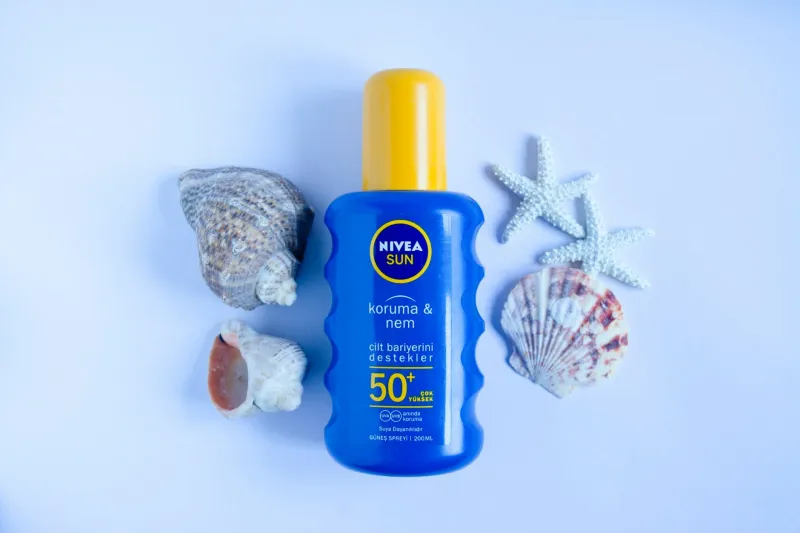
SPF 100 Isn't Twice as Strong as SPF 50 — The Math Will Surprise You
Stand in the sunscreen aisle of any American drugstore and the logic feels obvious: higher number, more protection. SPF 100 must be twice as good as SPF 50, right? Maybe not exactly, but it has to be significantly better. That's just how numbers work.
Except it isn't how SPF works. The scale is not linear, the difference between the two is surprisingly small, and the marketing that pushed triple-digit SPF numbers into mainstream shopping carts has been doing a lot of heavy lifting on your behalf — mostly for the benefit of product sales.
What SPF Actually Measures
SPF stands for Sun Protection Factor, and it measures one specific thing: how much UVB radiation reaches your skin compared to wearing no sunscreen at all. The calculation is straightforward, but the result is counterintuitive.
SPF 15 blocks approximately 93% of UVB rays. SPF 30 blocks about 97%. SPF 50 gets you to roughly 98%. And SPF 100? About 99%.
Read those numbers again. Going from SPF 50 to SPF 100 — doubling the number on the bottle — moves the needle from 98% blocked to 99% blocked. That's a one-percentage-point difference in actual UV protection.
This is because SPF operates on a diminishing returns curve. The formula isn't "double the SPF, double the protection." It's closer to "double the SPF, reduce the remaining UV transmission by half." SPF 50 lets through 2% of UVB. SPF 100 lets through 1%. The ratio sounds significant until you realize you're talking about the difference between 2 cents and 1 cent out of a dollar.
Why the Numbers Feel Bigger Than They Are
The confusion is almost guaranteed by the way the numbers are presented. Consumers are trained by a lifetime of shopping to treat numerical scales as roughly proportional. A TV with a 100-inch screen is genuinely twice as big as a 50-inch one. A hotel with a 4-star rating is meaningfully better than a 2-star. Our brains apply that same logic to SPF, and the sunscreen industry has never worked very hard to correct it.
In fact, the opposite is true. Higher SPF numbers command higher prices, signal premium quality, and give consumers a sense of doing something extra for their skin. That's a commercially useful perception, whether or not it reflects a proportional increase in protection.
The FDA has been aware of this problem for years. In proposed regulations dating back to 2011 — and revisited multiple times since — the agency has explored capping SPF claims on labels at "50+" rather than allowing specific numbers above that threshold. The reasoning was explicit: numbers above 50 imply a greater difference in protection than actually exists, and that implication can lead to misuse.
Those regulations have moved slowly. In the meantime, SPF 70, 85, and 100 products have become standard shelf inventory.
The False Security Problem
Here's where the SPF number game creates real-world consequences. Multiple studies have found that people who use high-SPF sunscreens tend to apply less of it, reapply less frequently, and spend more time in the sun than people using lower SPF products.
The psychological effect is well-documented: a bigger number creates a bigger sense of safety, which reduces the behaviors that actually make sunscreen effective. And the behaviors matter enormously. The FDA recommends applying about one ounce of sunscreen — roughly a shot glass worth — to cover an adult body. Most people apply somewhere between 25% and 50% of that amount. Under-application drops effective SPF dramatically, regardless of what the bottle says.
Reapplication every two hours is similarly important and similarly ignored. An SPF 100 sunscreen applied once at 10 a.m. and never touched again provides far less real-world protection than an SPF 30 applied generously and reapplied at noon.
What SPF Doesn't Tell You At All
There's another gap in the SPF story that doesn't get enough attention: the number only measures UVB protection. UVB rays are the ones that cause sunburn and contribute to skin cancer, but UVA rays — which penetrate deeper and are strongly associated with premature aging and melanoma — aren't captured in the SPF rating at all.
For UVA protection, you need to look for "broad spectrum" on the label. A sunscreen can be SPF 100 and still offer minimal UVA coverage if it isn't formulated for broad-spectrum protection. The big number on the front of the bottle tells you nothing about this.
Dermatologists consistently recommend broad-spectrum SPF 30 as the practical sweet spot — high enough to block the vast majority of UVB, cost-effective, less likely to generate false confidence, and widely available in formulations people will actually use.
The Takeaway That Doesn't Require a Math Degree
You don't need to understand the logarithmic math behind SPF to make a smarter choice at the drugstore. The practical version is simple:
SPF 30, applied correctly and reapplied regularly, outperforms SPF 100 used carelessly. The protection gap between SPF 50 and SPF 100 is about one percentage point. The premium price for triple-digit SPF products is not backed by a proportional increase in what that sunscreen actually does.
Buy the broad-spectrum SPF 30 or 50. Put on enough of it. Set a reminder to reapply. That's the actual story — and it costs less than the bottle with the biggest number.