The Pesticide-Free Assumption
Stroll through Whole Foods or browse the organic section at your local grocery store, and you'll find shoppers carefully selecting organic apples, spinach, and strawberries. Ask them why, and many will give the same answer: "I want to avoid pesticides." It's a reasonable assumption — organic food costs more and carries the promise of being more natural, so surely it must be chemical-free.
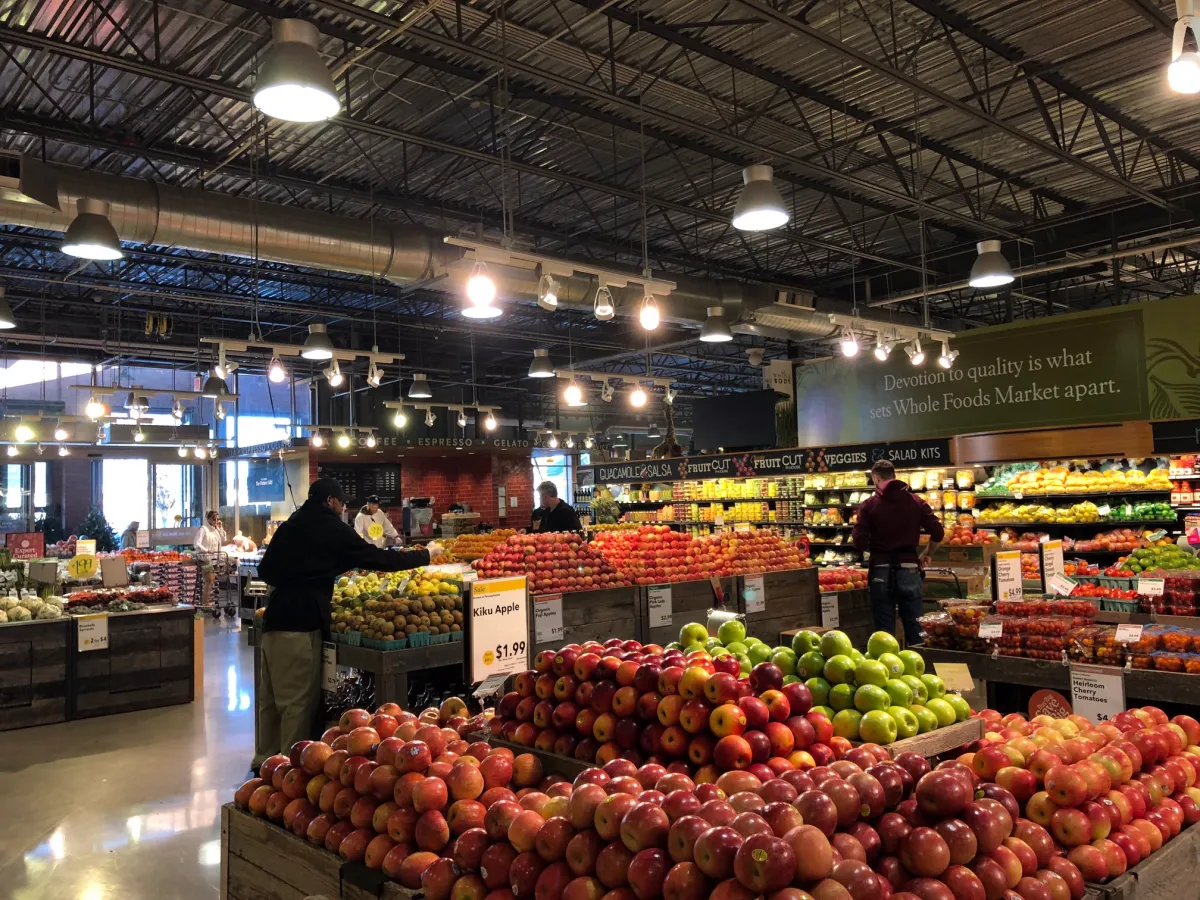 Photo: Whole Foods, via static5.businessinsider.com
But here's what the USDA organic certification actually means: farmers can use pesticides, just not synthetic ones. The organic label doesn't eliminate pest control chemicals; it simply requires that they come from a pre-approved list of "natural" substances.
What Organic Farmers Actually Spray
The USDA maintains a detailed list of substances allowed in organic farming, and it includes dozens of pest control options. Organic farmers can use copper sulfate (a heavy metal that accumulates in soil), rotenone (derived from tropical plants but highly toxic to fish), and Bacillus thuringiensis (a bacteria that produces insecticidal proteins).
They can spray their crops with pyrethrin (extracted from chrysanthemum flowers), neem oil (from neem tree seeds), and various forms of sulfur. Some organic operations use spinosad, created by soil bacteria, which is effective against insects but can harm beneficial pollinators like bees.
The difference isn't that organic farms don't use pest control — it's that their pest control comes from biological sources rather than chemical laboratories. But "natural" doesn't automatically mean "safer" or "less toxic."
The Natural vs. Synthetic Divide
The organic industry has built its marketing around a simple premise: natural chemicals are better than synthetic ones. This appeals to consumers who associate "natural" with "safe" and "artificial" with "dangerous." But chemistry doesn't work that way.
Consider copper sulfate, widely used in organic farming as a fungicide. It's completely natural — you can mine it from the earth. It's also toxic to aquatic life and can build up in soil over time, potentially harming beneficial microorganisms. Meanwhile, many synthetic pesticides break down quickly in the environment and target specific pests without affecting other organisms.
Rotenone provides another example. This plant-derived insecticide was used in organic farming for decades before research linked it to Parkinson's disease. It's since been banned in many countries, but it took years for regulators to act because its natural origin made people assume it was safe.
Volume and Application Differences
In some cases, organic farmers actually use more pesticide by volume than their conventional counterparts. Natural pesticides are often less potent than synthetic alternatives, requiring higher application rates to achieve the same effect.
Copper-based fungicides, for instance, might need to be applied multiple times per growing season to match the effectiveness of a single application of synthetic fungicide. This means organic produce sometimes carries higher residue levels of certain chemicals than conventional produce.
The Environmental Working Group's annual "Dirty Dozen" list focuses exclusively on synthetic pesticide residues, but it doesn't test for organic-approved chemicals. If it did, some organic produce might show up with detectable levels of natural pesticides.
The Regulation Reality
Both organic and conventional farming face strict regulations about pesticide use, but they're governed by different sets of rules. The EPA regulates all pesticides based on safety data, regardless of whether they're natural or synthetic. Before any pesticide can be used — organic or conventional — it must undergo extensive testing for human health and environmental effects.
The USDA organic program adds another layer of requirements, specifying which EPA-approved pesticides can be used in organic production. This creates a situation where organic farmers have fewer options, not necessarily safer ones.
Interestingly, some synthetic pesticides are actually safer than their natural alternatives. Glyphosate, the controversial herbicide used in conventional farming, has lower acute toxicity than copper sulfate. The difference is that glyphosate is synthetic and therefore banned in organic production, while copper sulfate is natural and therefore allowed.
Making Sense of the Labels
None of this means organic food is bad or that you shouldn't buy it. Organic farming offers legitimate benefits: it typically uses fewer synthetic chemicals overall, promotes biodiversity, and often involves more sustainable farming practices. Many people choose organic for environmental reasons rather than just pesticide avoidance.
But if your primary goal is minimizing pesticide exposure, the organic label alone won't guarantee that. Both organic and conventional produce can carry pesticide residues, and both are regulated to ensure safety levels.
The most effective way to reduce pesticide exposure is actually simpler than choosing organic: wash your produce thoroughly. The FDA has found that rinsing fruits and vegetables under running water removes most pesticide residues, regardless of whether they're natural or synthetic.
The Bigger Picture
The organic vs. conventional debate often misses a crucial point: both systems are trying to solve the same problem of feeding people while managing pests and diseases. Neither approach is perfect, and both involve trade-offs.
Organic farming typically has lower yields, which means more land is needed to produce the same amount of food. Conventional farming can be more resource-efficient but may rely more heavily on synthetic inputs. The "best" choice depends on your priorities and values, not just your assumptions about pesticides.
The real story isn't that organic food is secretly full of dangerous chemicals — it's that the natural versus synthetic distinction is more complicated than most marketing suggests. Understanding what organic certification actually means can help you make food choices based on facts rather than assumptions.