Why Your Medicine Cabinet Is Full of Perfectly Good Drugs You're Throwing Away
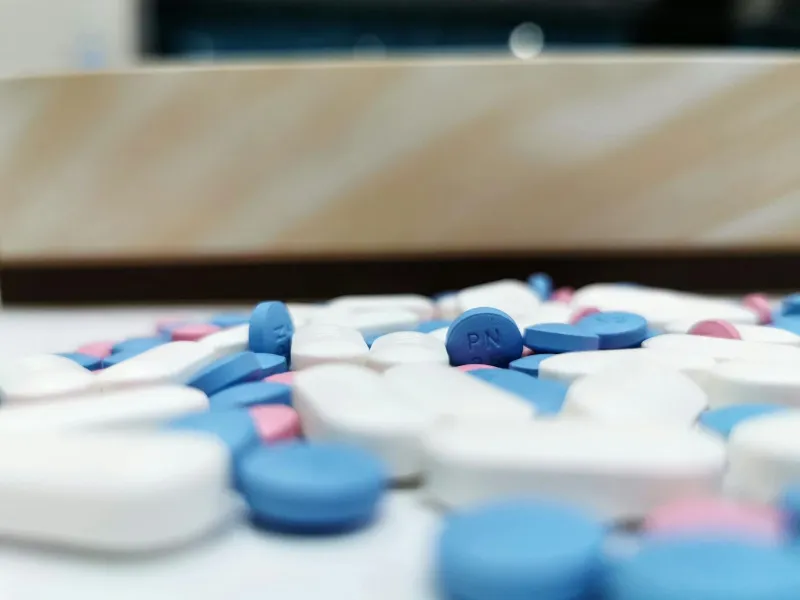
Walk into any American home and check the medicine cabinet. Chances are, you'll find it either completely bare or stocked with recently purchased bottles, while the trash can tells a different story: perfectly good medications discarded the moment they hit their printed expiration date.
The $4 Billion Misunderstanding
Americans throw away an estimated $4 billion worth of unexpired medication every year, all because of a widespread misunderstanding about what those dates actually mean. Most people believe expiration dates mark the moment a drug becomes ineffective or potentially harmful. The truth? They're more like a manufacturer's conservative estimate.
The expiration date on your prescription bottle or over-the-counter medication represents the last date the manufacturer guarantees the drug will maintain its full labeled potency — typically 100% effectiveness. It's not a cliff where the medication suddenly becomes useless or dangerous.
What the Military Discovered
The most eye-opening research on this topic didn't come from pharmaceutical companies or the FDA — it came from the U.S. military. Faced with the expensive prospect of regularly replacing massive stockpiles of medications, the Department of Defense launched the Shelf Life Extension Program in the 1980s.
The results were startling. When researchers tested drugs stored under proper conditions, they found that 88% of medications remained effective well beyond their expiration dates. Some antibiotics maintained their potency for over a decade. Pain relievers, antihistamines, and other common medications often stayed stable for years past their printed dates.
One study published in the Journal of Pharmaceutical Sciences found that 12 of 14 drug compounds were still effective 28 to 40 years after their expiration dates.
How We Got Here
This expensive confusion traces back to a 1979 FDA regulation requiring drug manufacturers to include expiration dates on all medications. The rule was well-intentioned — it aimed to ensure patients received effective treatment and encouraged proper storage.
But there was a catch: manufacturers were only required to test their products for a limited time, usually between one and four years. Rather than conduct expensive long-term stability studies, most companies simply set expiration dates at the end of their testing period. It was cheaper and legally safer to underestimate a drug's lifespan than to guarantee it indefinitely.
The Fine Print Nobody Reads
What most consumers don't realize is that drug manufacturers aren't claiming their products become harmful after the expiration date — they're just no longer guaranteeing full potency. For most medications, this means they might be 95% effective instead of 100%, not that they've transformed into dangerous substances.
The notable exceptions are a small handful of medications that can become toxic over time, like tetracycline antibiotics (though modern formulations have largely eliminated this risk) and certain liquid medications that can harbor bacterial growth.
Why the Myth Persists
Several factors keep this costly misconception alive. First, the medical establishment errs on the side of caution, and rightfully so — telling patients to use potentially less-effective medication isn't standard practice. Pharmacists and doctors typically recommend following expiration dates to avoid any liability issues.
Second, there's an obvious financial incentive. Pharmaceutical companies benefit when consumers regularly replace their medications. While there's no evidence of deliberate deception, there's also little motivation to educate consumers about the true longevity of their products.
Finally, the "better safe than sorry" mentality runs deep in American healthcare culture. When it comes to medication, most people would rather spend extra money than risk taking something potentially less effective.
The Real Storage Story
What actually affects medication potency isn't time alone — it's storage conditions. Heat, humidity, and light are the real enemies of drug stability. A bottle of aspirin stored in a cool, dry place will likely outlast one kept in a steamy bathroom medicine cabinet, regardless of their expiration dates.
This explains why the military's stored medications lasted so long: they were kept in controlled environments, unlike the typical home medicine cabinet that experiences daily temperature and humidity swings.
What This Means for You
This doesn't mean you should ignore expiration dates entirely. Critical medications like EpiPens, insulin, and certain heart medications require full potency to be life-saving. When in doubt, especially for serious conditions, fresh medication is worth the cost.
But for common over-the-counter drugs — pain relievers, allergy medications, antacids — the expiration date is more suggestion than deadline. Many remain effective well beyond their printed dates when stored properly.
The Bottom Line
The next time you're about to toss that "expired" bottle of ibuprofen, remember: you're probably throwing away a perfectly good medication because of a regulatory requirement that was never meant to indicate safety, just guaranteed potency. It's a costly habit born from a well-meaning rule that created one of America's most expensive misunderstandings.