That Three-Day Rule for Leftovers? It's Not What Food Safety Experts Actually Say
That Three-Day Rule for Leftovers? It's Not What Food Safety Experts Actually Say
You open your fridge and stare at Tuesday's leftover pasta. Is it Wednesday or Thursday? Does it smell weird, or is that just the onions from last week? Should you risk it or order takeout again?
If this sounds familiar, you're not alone. Most Americans navigate leftover storage with a patchwork of half-remembered rules: the mysterious three-day limit, the sniff test, or the nuclear option of tossing everything after 24 hours just to be safe.
But here's what's actually happening: we've turned a simple food safety system into an anxiety-inducing guessing game. The real guidelines are clearer than you think—and they're not what most people follow.
The Myth: Complex Rules and Arbitrary Time Limits
Ask around about leftover storage, and you'll hear a dozen different "rules." Some people swear by the three-day limit for everything. Others do the smell test. Your grandmother might tell you a week is fine for most things, while your health-conscious friend tosses leftovers after one day.
Online, it gets even murkier. Food blogs offer elaborate charts breaking down storage times by ingredient type, cooking method, and container material. Some articles suggest different rules for different rooms in your house, or warn about the "danger zone" without explaining what that actually means.
The result? Most people either waste perfectly good food out of overcaution or play leftover roulette without realizing the actual risks.
The Reality: Food Safety Has Clear, Simple Guidelines
According to the USDA and CDC, leftover storage follows a straightforward system that most Americans have never actually learned.
The basic rule is simpler than you think: most cooked leftovers are safe in the refrigerator for three to four days. Not three days exactly, not "it depends on what it is"—three to four days for nearly everything.
This applies to pasta, rice, meat dishes, casseroles, soups, and most prepared foods. The clock starts ticking when the food is first refrigerated, not when you first cooked it.
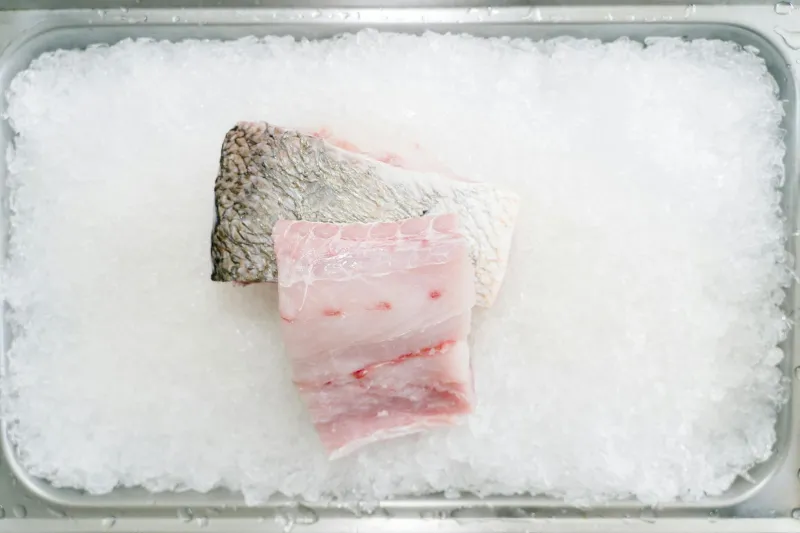
There are only a few exceptions: seafood and shellfish should be eaten within one to two days, and dishes with mayonnaise or cream-based sauces are best consumed within two to three days.
Why the Confusion Persists
So why don't more people know these straightforward guidelines?
First, food safety education in America focuses heavily on cooking temperatures and hand washing, but storage gets glossed over. Most people learn leftover "rules" from family members who learned them from their family members—creating a telephone game of food safety advice.
Second, the internet made things worse, not better. Food safety became content marketing material, with blogs creating increasingly complex guides to stand out in search results. A simple "three to four days" doesn't generate clicks like "The Ultimate Guide to Leftover Storage with 47 Expert Tips."
Third, Americans' relationship with food expiration dates creates confusion. We've been trained to treat dates on packages as gospel, so we apply the same precision-focused thinking to leftovers—looking for exact cutoff times that don't really exist.
The Real System Is About Conditions, Not Calendars
Food safety experts focus on storage conditions more than exact timing. Leftovers stored properly in the refrigerator (at 40°F or below) follow predictable patterns of bacterial growth.
The three-to-four-day window isn't arbitrary—it's when most harmful bacteria reach levels that could cause illness, even in properly stored food. Before that window, properly refrigerated leftovers are generally safe. After that window, the risk increases significantly.
The smell test, meanwhile, is unreliable. Many bacteria that cause foodborne illness don't produce obvious odors, while harmless bacteria can create off-putting smells that make perfectly safe food seem spoiled.
What Actually Matters
Instead of complex charts and arbitrary rules, food safety comes down to three simple practices:
Refrigerate leftovers within two hours of cooking (one hour if the room temperature is above 90°F). Store them in shallow containers so they cool quickly and evenly. Follow the three-to-four-day guideline for most foods, with shorter windows for seafood and cream-based dishes.
That's it. No elaborate systems, no ingredient-by-ingredient calculations, no mysterious danger zones to memorize.
The Takeaway
Leftover storage anxiety is largely manufactured. Food safety guidelines are clearer and simpler than the confusing advice most people follow.
The real story isn't that leftovers are dangerous or that storage is complicated—it's that we've overcomplicated a straightforward system. Three to four days for most things, proper refrigeration, and you're good to go.
Your Tuesday pasta on Thursday? If it was refrigerated properly, it's fine. No smell test required.