That Town Sign Says 'Founded 1642.' The Real Answer Is Complicated.
That Town Sign Says 'Founded 1642.' The Real Answer Is Complicated.
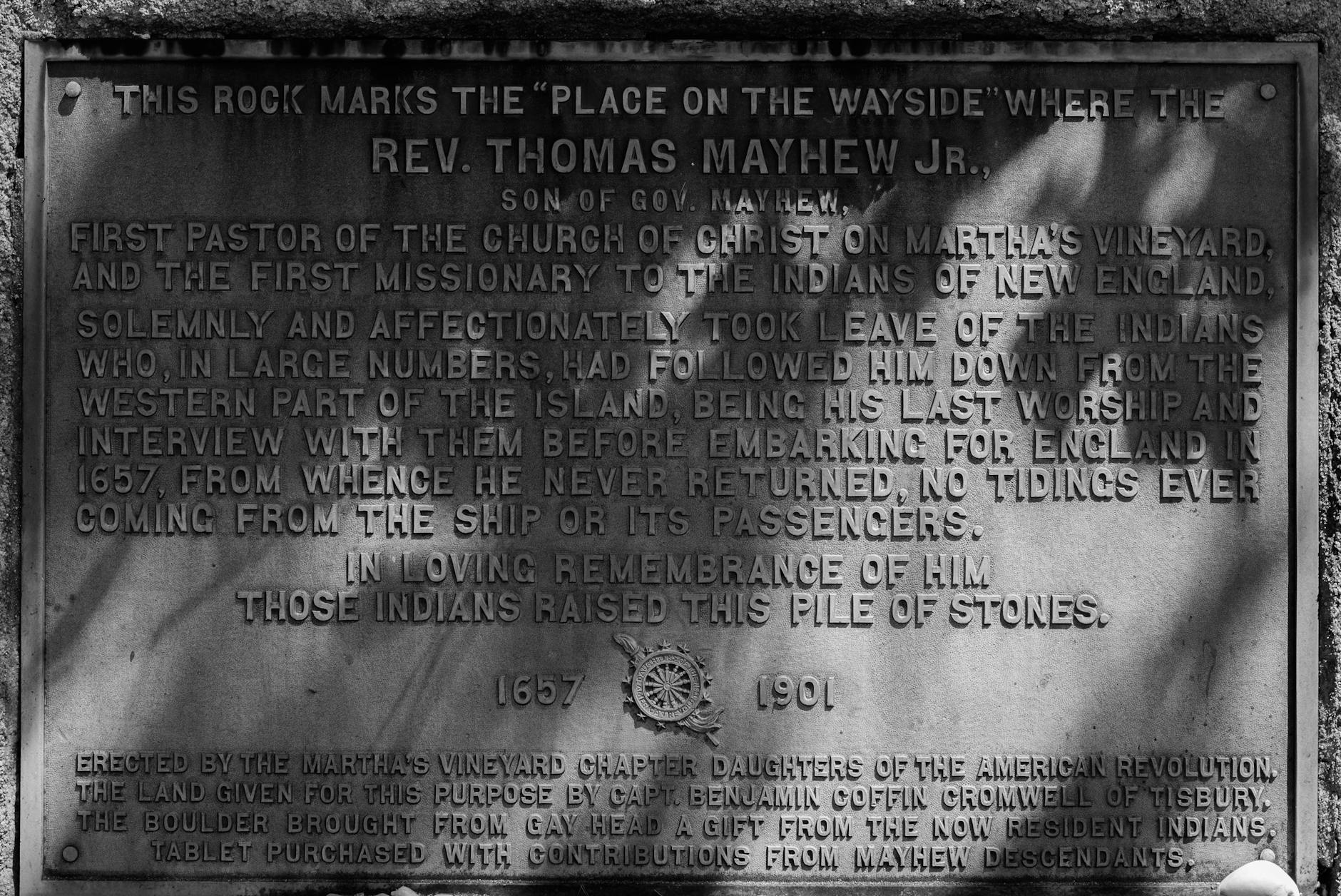
You've seen them everywhere. A weathered bronze plaque bolted to a courthouse wall. A painted sign at the edge of town announcing an incorporated date in the 1700s. A roadside historical marker describing a "first" that turns out, if you look into it, to be one of several competing firsts.
America is covered in these markers, and most people drive past them without much thought. They feel official. They feel permanent. They feel like settled history.
Except a lot of them aren't.
The Business of Being Old
Before getting into specific examples, it helps to understand why founding dates matter so much to American towns in the first place. The short answer is money and identity — and those two things have been tangled together since the country's earliest days.
Tourism is a significant driver of local economies, and age is a marketable asset. A town that can credibly claim to be "the oldest continuously inhabited settlement in New England" or "the site of America's first [fill in the blank]" has a marketing hook that newer communities simply don't. Historic designation also unlocks federal and state preservation funding, attracts a certain kind of heritage tourism, and gives residents a source of collective pride that newer suburbs can't easily manufacture.
The result is that over the centuries, communities across the country have had strong economic and emotional incentives to push their founding dates as far back as the documentary record — and sometimes a little further than that — will allow.
When 'Founded' Gets Fuzzy
Take the question of what "founded" actually means. It's less straightforward than it sounds.
Does a settlement count as founded when a European explorer first passed through the area and wrote about it? When a trading post was established? When a permanent structure was built? When a colonial charter was granted? When enough people arrived to constitute a community? When it was formally incorporated as a town or city?
Each of those milestones can be decades or even a century apart, and communities have historically chosen whichever date makes their origin story most impressive. St. Augustine, Florida, for example, is widely and legitimately called the oldest continuously occupied European settlement in the continental United States, with its founding conventionally dated to 1565. But the Pueblo peoples of the American Southwest lived in continuously occupied communities centuries before that, a fact that "oldest city" designations in American tourism have historically been slow to acknowledge or incorporate.
Similarly, several East Coast cities have founding date disputes that have quietly simmered among local historians for generations. The date on the sign is often the date the town wants to be its founding — the one that appeared in an early 20th century centennial pamphlet, got engraved on a plaque, and then became treated as established fact.
The Plaque Problem
Historical markers themselves have a complicated history. Many of the roadside markers that feel authoritative today were erected during a wave of civic commemoration in the late 19th and early 20th centuries — a period when American communities were actively constructing origin narratives, often with more enthusiasm than archival rigor.
The Daughters of the American Revolution, various state historical societies, and local boosters placed thousands of markers during this era, and the standards for what counted as verified history were considerably looser than they would be today. Once a marker was up, it became self-reinforcing. Local newspapers cited it. Schools taught it. Tour guides repeated it. The marker became the source, even when the original claim had been shaky.
The preservation community has known about this problem for a long time. The National Register of Historic Places, administered by the National Park Service, applies rigorous documentation standards for federal designation — but that process applies to a relatively small slice of the markers and plaques that Americans encounter. The vast majority were placed by local organizations with no central oversight and no requirement for scholarly review.
Why Corrections Are So Hard
Here's the part that gets genuinely interesting: even when historians have documented evidence that a founding date is wrong, getting the official record changed is often an uphill battle.
The resistance isn't usually dishonest. It's human. A founding date is wrapped up in community identity in ways that a simple factual correction can't easily untangle. Changing the date on a city seal means acknowledging that generations of residents celebrated the wrong anniversary. It means rewriting the story that schoolchildren have been taught. It means potentially undermining a tourism narrative that local businesses depend on.
In some cases, local historical societies have quietly updated their internal records while the public-facing markers remain unchanged — a kind of institutional acknowledgment that the official story is complicated, combined with a practical reluctance to open that conversation publicly.
What to Do With This on Your Next Road Trip
None of this means historical markers aren't worth reading — they absolutely are. But it's worth approaching them the way you'd approach any single source: as a starting point, not a final answer.
If a plaque catches your attention, the local library or county historical society often has more nuanced information than what fits on a bronze plate. State historical preservation offices maintain records that are generally more carefully vetted than roadside markers. And a quick search for "[town name] founding date controversy" will sometimes surface a genuinely fascinating debate that the sign on the highway chose not to mention.
America's actual history is messier, richer, and more contested than most of its plaques let on. That's not a reason to be cynical about it. It's a reason to be curious.