That Bakery Smell at the Grocery Store Is Pumped Through Vents — The Bread Came From a Factory
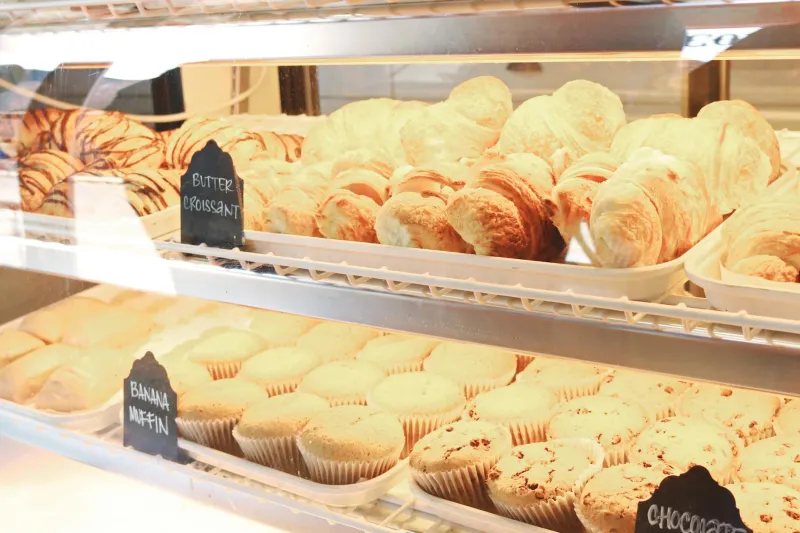
The Smell That Sells
Walk into any major grocery store and you'll notice it immediately — that warm, yeasty aroma that seems to float from the bakery section like an invisible welcome mat. Your brain makes an instant connection: fresh bread, baked this morning by someone who probably started work at 4 AM.
Except that's not what happened at all.
That golden loaf sitting in the warming basket? It began life in an industrial facility in another state, was frozen solid for transport, and only got its final few minutes of heat treatment in your local store. The smell you're following might even be artificially enhanced, pumped through the ventilation system to create exactly the sensory experience you're having right now.
The Factory-to-Freezer Pipeline
Here's how it actually works: Large grocery chains contract with centralized baking facilities that can produce thousands of loaves per day. These industrial bakeries partially bake bread — getting it about 80% done — then flash-freeze it for shipping. The frozen loaves travel in refrigerated trucks to distribution centers, then to individual stores, where they're stored in walk-in freezers until needed.
When it's time to stock the bakery section, employees pull the frozen loaves and pop them into finishing ovens for 10-15 minutes. This final baking step browns the crust and creates that telltale aroma, but it's really just completing a process that started days or even weeks earlier.
The genius of this system isn't just efficiency — it's the legal wiggle room it creates. Technically, that bread was "baked in-store," because the final step happened in your local grocery store. Never mind that 90% of the actual baking happened elsewhere.
Why the Deception Works So Well
Grocery stores have spent decades perfecting the theater of fresh baking. The warming displays aren't just functional — they're designed to look like old-fashioned bakery cases. The timing of when loaves come out of finishing ovens is carefully orchestrated to maximize that fresh-bread smell during peak shopping hours.
Some stores go further. They install ventilation systems that capture and redistribute bakery aromas throughout the store. Others use scent machines that pump synthetic bread smells into the air, creating an olfactory experience that has nothing to do with what's actually being baked.
The psychology is bulletproof. Smell is our most primitive sense, directly connected to memory and emotion. When you smell baking bread, your brain doesn't stop to analyze whether it's coming from a finishing oven or a scent machine — it just triggers that warm, homey feeling that makes you want to buy.
The Language Game
Pay attention to the exact words grocery stores use, and you'll start to see the careful legal distinctions. "Baked fresh daily" doesn't mean baked from scratch daily — it means finished daily. "Made in-store" could refer to just the final browning step. "Fresh from our ovens" is technically true, even if those ovens are just reheating frozen dough.
The term "artisan" gets thrown around liberally, but it's completely unregulated. An industrial loaf that got its final few minutes of baking in-store can legally be called artisan bread, right next to loaves that were actually mixed, shaped, and baked from scratch on the premises.
What Actually Signals Real Fresh Bread
So how do you find bread that was actually made from start to finish in your local area? Look for these clues:
Timing matters: Real from-scratch bread has natural rhythms. If a store has the exact same selection at 7 AM and 7 PM, it's probably not being made fresh throughout the day.
Imperfection is good: Hand-shaped loaves vary slightly in size and shape. If every baguette is identical, it came from a machine.
Ask specific questions: "Was this mixed and shaped here?" gets better information than "Is this fresh?" Most employees will give you a straight answer if you ask directly.
Check the ingredient list: Real bakery bread often has shorter, simpler ingredient lists. Industrial bread needs preservatives and dough conditioners to survive the freeze-thaw cycle.
The Bigger Picture
This isn't really about bread — it's about how modern retail creates experiences that feel authentic while operating on an entirely different reality. The grocery store bakery is theater, designed to trigger emotional responses that drive purchasing decisions.
There's nothing inherently wrong with par-baked bread. It's often perfectly good, and the system allows stores to offer variety without the complexity and waste of full-scale baking operations. But the gap between perception and reality shows how easily our assumptions can be manipulated.
The Real Story
Next time you're drawn to the bakery section by that irresistible smell, remember: you're experiencing the end result of a carefully orchestrated process that started long before you walked through those automatic doors. That "fresh-baked" loaf traveled further than most people do on vacation, and its aroma might be as manufactured as everything else in the modern grocery store.
The bread might still be delicious. But fresh from the oven? That's a story grocery stores are selling, not necessarily the one that's true.