The Vegetable in Your Freezer Might Be More Nutritious Than the One in Your Fridge
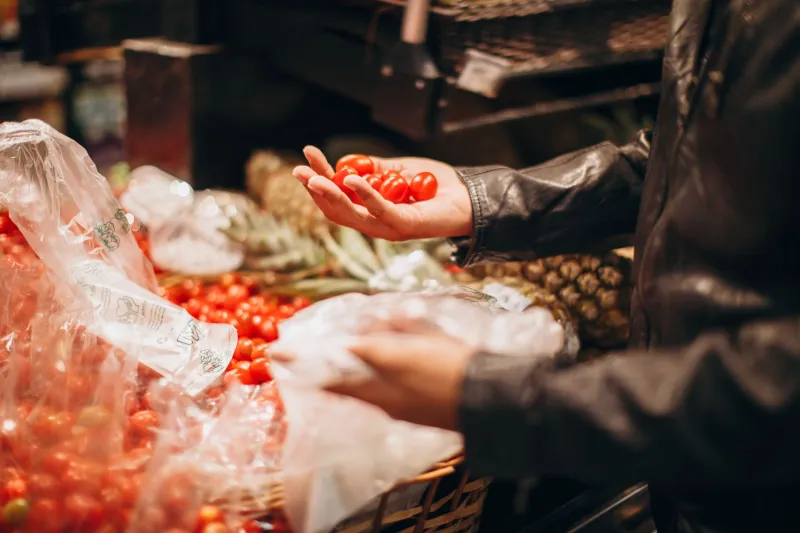
Picture the produce section of any American grocery store. The display is bright, the vegetables are misted with water to look dewy and fresh, and everything feels alive. Now picture the frozen food aisle — cold, clinical, the vegetables sealed in plastic bags with a slightly unglamorous vibe.
Most shoppers instinctively assign more nutritional value to the first image. Fresh means better. Frozen means compromise.
Except the science doesn't quite agree with that instinct. And depending on what you're buying — and where you live — the freezer aisle might actually be the smarter nutritional choice.
The Journey Your 'Fresh' Vegetables Actually Take
The word "fresh" is doing a lot of work in American grocery culture, and it's worth examining what it actually means in practice.
Most fresh produce sold in U.S. supermarkets doesn't come from nearby farms. It comes from large agricultural operations in California, Florida, Mexico, and beyond — and it travels. Spinach harvested in California's Salinas Valley might spend three to five days in refrigerated transit before it reaches a distribution center in the Midwest. From there, it could sit in store inventory for another day or two before hitting the shelf. By the time a shopper picks it up, buys it, and lets it sit in the crisper drawer for another three days before using it, that "fresh" spinach could be a week or more past harvest.
 Photo: Salinas Valley, via c8.alamy.com
Nutrients don't wait patiently during that journey. Water-soluble vitamins — particularly vitamin C and several B vitamins — begin degrading almost immediately after harvest. Research published in peer-reviewed nutrition journals has found that some vegetables lose a measurable percentage of their vitamin C content within 24 hours of being picked, with losses accelerating over subsequent days even under refrigeration.
Broccoli is one of the most studied examples. Studies have found that broccoli stored at refrigerator temperature for a week can lose a significant portion of its glucosinolates — the compounds associated with many of its health benefits. Green beans, peas, and spinach show similar patterns.
What Happens to Frozen Vegetables Instead
The freezing process gets a bad reputation partly because of texture — frozen vegetables often come out softer than their fresh counterparts, which signals "degraded" to most people's brains. But texture and nutrition aren't the same thing.
Vegetables destined for freezing are typically harvested at peak ripeness and processed within hours — sometimes within a single hour — of being picked. They're blanched briefly in hot water (a step that stops enzyme activity and preserves color), then flash-frozen at very low temperatures. That rapid freeze essentially hits the pause button on nutrient degradation.
Multiple studies comparing fresh and frozen vegetables have found that frozen produce frequently matches or exceeds fresh in vitamin and mineral content. A notable study out of the University of California, Davis found that frozen corn, green beans, and blueberries had equal or higher levels of certain nutrients compared to their fresh counterparts that had been stored for several days. The researchers were careful to note that the results varied by vegetable and nutrient — this isn't a blanket statement that frozen always wins — but the findings directly challenged the assumption that fresh is categorically superior.
 Photo: University of California, Davis, via sciencesprings.wordpress.com
Why the Fresh Hierarchy Took Hold
If frozen vegetables are nutritionally competitive, why does the cultural preference for fresh produce run so deep?
Some of it is genuinely sensory. Fresh vegetables often do taste better and have better texture when they're actually fresh — as in, recently harvested. If you've ever eaten a tomato from a backyard garden or bought corn directly from a farm stand, you know the difference is real. The problem is that "fresh" in a supermarket context rarely means recently harvested. It means recently arrived at the store, which is a very different thing.
Some of it is historical. Before modern freezing technology, frozen food genuinely was inferior — ice crystals forming slowly would rupture cell walls and destroy texture and nutrients alike. Flash-freezing changed that equation dramatically, but the reputation from the earlier era stuck.
And some of it is marketing. The produce section is designed to feel abundant and alive. Grocers invest heavily in presentation — the lighting, the misting, the careful arrangement — because fresh produce carries higher margins and a premium image. The frozen aisle doesn't get that treatment.
Where Frozen Genuinely Has the Edge
Certain vegetables benefit from freezing more than others, and it's worth knowing which ones.
Peas are one of the clearest examples. Fresh peas begin converting their sugars to starch within hours of harvest, which affects both taste and nutrient profile. Frozen peas, processed immediately after picking, often taste sweeter and retain more of their nutrients than "fresh" peas that have been sitting in a pod for days.
Spinach and other leafy greens lose vitamin C and folate relatively quickly after harvest. Frozen spinach, while texturally different, often retains more of these nutrients than refrigerated fresh spinach that's been in transit for a week.
Corn follows a similar pattern to peas — the sugar-to-starch conversion happens fast, and freezing captures the vegetable closer to its nutritional peak.
Broccoli and green beans also show meaningful nutrient retention advantages in frozen form when compared to fresh versions that have been stored for several days.
The vegetables where fresh has a more defensible edge are things like tomatoes (which are often picked underripe for fresh shipping anyway) and delicate herbs, where freezing significantly degrades texture and flavor in ways that matter culinarily.
The Practical Bottom Line
None of this means you should abandon the produce section. If you're buying vegetables at a farmers market or a local farm stand and cooking them that day, fresh is genuinely fresh, and it's excellent. The nutritional case for fresh produce is strongest when "fresh" actually means what the word implies.
But for everyday cooking — the bag of broccoli florets you're going to use sometime this week, the spinach you'll add to a smoothie — frozen is a completely legitimate choice that you don't need to feel guilty about. The nutritional compromise you think you're making probably isn't as large as you assume. In some cases, it isn't a compromise at all.
The real myth here isn't that fresh vegetables are good for you. They are. It's that the word "fresh" on a grocery store shelf means what you think it means.