The Fresh Fish Illusion
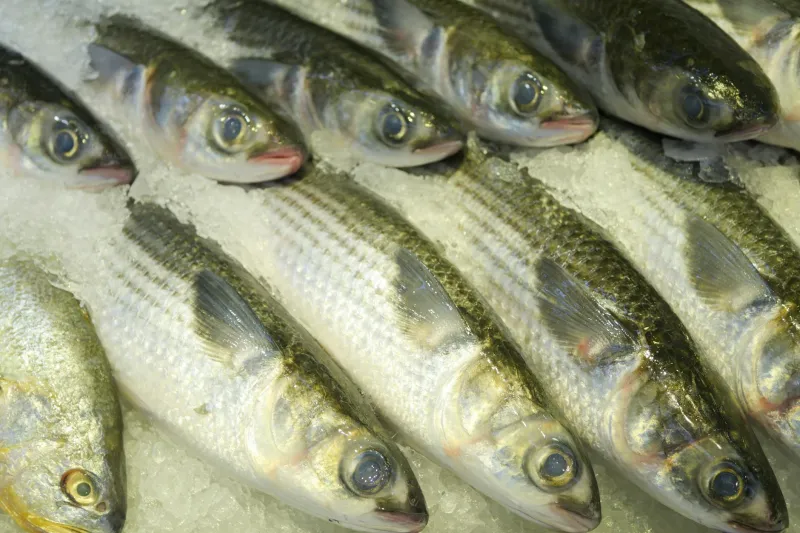
Peer into any American grocery store's seafood case and you'll spot gleaming salmon fillets arranged on crushed ice, often bearing signs that read "Fresh Atlantic Salmon" or "Fresh Wild Caught." The display suggests these fish were swimming in cold waters just days ago, but the reality tells a completely different story.
Nearly every piece of salmon sitting in that refrigerated case — roughly 85% according to industry estimates — was frozen solid for weeks or months before making its way to your local store. The fish you're buying as "fresh" likely spent more time in industrial freezers than it did swimming free in the ocean.
How 'Fresh' Became Flexible
The seafood industry operates under labeling guidelines that would surprise most shoppers. According to FDA regulations, fish can legally be called "fresh" as long as it's never been frozen below 26°F. Since most commercial freezing happens at much lower temperatures, anything that gets thawed before sale technically qualifies as "fresh."
This semantic sleight of hand means that salmon caught off Alaska in July can sit frozen until December, get thawed at a processing facility, shipped to your grocery store, and still earn the "fresh" label when it hits the display case.
The journey typically works like this: Commercial fishing vessels freeze their catch within hours of pulling it from the water, often using blast freezers that drop temperatures to -40°F. The frozen fish then travels to processing plants where it's portioned, packaged, and stored until demand picks up. When your grocery store places an order, the processor thaws the fish, cuts it into retail portions, and ships it on ice to arrive at the seafood counter.
Why Frozen Might Actually Be Better
Before you feel deceived, consider this: that freezing process is doing you a favor. When salmon gets frozen immediately after being caught, it locks in freshness at its peak. The fish you're buying today might actually taste better than truly fresh salmon that's been sitting on ice for a week.
More importantly, freezing kills parasites that can make you seriously sick. Salmon naturally harbors Anisakis worms and other parasites that can cause food poisoning or worse in humans. The FDA actually requires that salmon served raw (like in sushi) must be frozen first to eliminate these threats. That "previously frozen" label isn't a warning — it's a safety certificate.
Truly fresh, never-frozen salmon from local waters carries higher risks. Unless you're buying directly from a boat that just docked, chances are that "fresh" fish has been sitting around longer than its frozen counterpart was in transit.
The Real Fresh vs. Frozen Difference
So what should you actually look for when buying salmon? The key isn't whether it was frozen, but how it was handled throughout the supply chain.
High-quality frozen salmon that's been properly blast-frozen and stored will often outperform "fresh" fish that's been mishandled, stored too long, or allowed to sit at improper temperatures. The texture might be slightly different — previously frozen fish can be a bit less firm — but the flavor and nutritional value remain largely intact.
When shopping, ask your fishmonger about timing rather than freezing status. Find out when the fish arrived at the store and how it's been stored. A piece of salmon that was thawed yesterday will beat one that's been sitting in the case for three days, regardless of its freezing history.
Reading Between the Labels
The next time you're at the seafood counter, remember that "fresh" is more about marketing than reality. Look for clear, bright flesh without any fishy smell — these are better indicators of quality than whether the fish has ever seen the inside of a freezer.
Some stores have started being more transparent, using labels like "previously frozen" or "fresh, never frozen" to help customers understand what they're buying. But until that becomes standard, assume that most of what you see was frozen at some point in its journey to your plate.
The real story isn't that grocery stores are trying to trick you — it's that the frozen fish supply chain has become so efficient that it often delivers better quality than the alternative. Your "fresh" salmon's freezer time isn't a bug in the system; it's a feature that keeps you safe and ensures you're getting fish at its peak.