The Date That Doesn't Mean What You Think
Every week, Americans throw away roughly 76 million eggs because of a date printed on the carton. But here's what most people don't realize: that "sell-by" or "best before" date has absolutely nothing to do with whether your eggs are safe to eat.
Those dates are inventory management tools created by and for grocery stores. They tell retailers when to rotate stock, not when food becomes unsafe. The difference matters more than you might think.
What the USDA Actually Says About Egg Safety
According to the United States Department of Agriculture, properly refrigerated eggs remain safe to eat for three to five weeks beyond the date on the carton. That's not a typo. The federal agency responsible for food safety is telling you that your "expired" eggs are probably fine for another month.
The USDA's guidance is based on decades of food science research, not marketing considerations. Fresh eggs have natural protective barriers that keep bacteria out, and refrigeration slows any quality decline to a crawl.
The Real Test That Actually Works
Farmers have used a simple method for centuries to check egg freshness, and it's more reliable than any printed date: the float test.
Fill a bowl with water and gently place the egg inside. Fresh eggs sink and lie flat on the bottom. Slightly older but still good eggs will stand upright on the bottom. Only eggs that float to the surface have deteriorated enough to discard.
This happens because eggshells are porous. As eggs age, moisture evaporates and air pockets grow larger, creating buoyancy. It's a natural indicator that actually measures what's happening inside the shell.
Why Stores Want You to Buy Fresh Eggs
Grocery stores have obvious reasons to encourage frequent egg purchases. Shorter "sell-by" windows mean faster inventory turnover and more sales. But the system also serves legitimate business purposes.
Stores need consistent product rotation to maintain quality standards and customer satisfaction. Nobody wants to buy eggs that have been sitting in the dairy case for two months, even if they're technically safe.
The problem is that consumers have confused inventory management with food safety. We've internalized retail schedules as health guidelines.
The Hidden Cost of Date Confusion
This misunderstanding has real consequences. American households waste about 30% of the eggs they purchase, largely due to date-related concerns. That represents roughly $1.5 billion in discarded food annually.
The environmental impact is equally significant. Producing eggs requires water, feed, and energy. When we throw away perfectly good eggs, we're also wasting all the resources that went into creating them.
How to Actually Judge Egg Quality
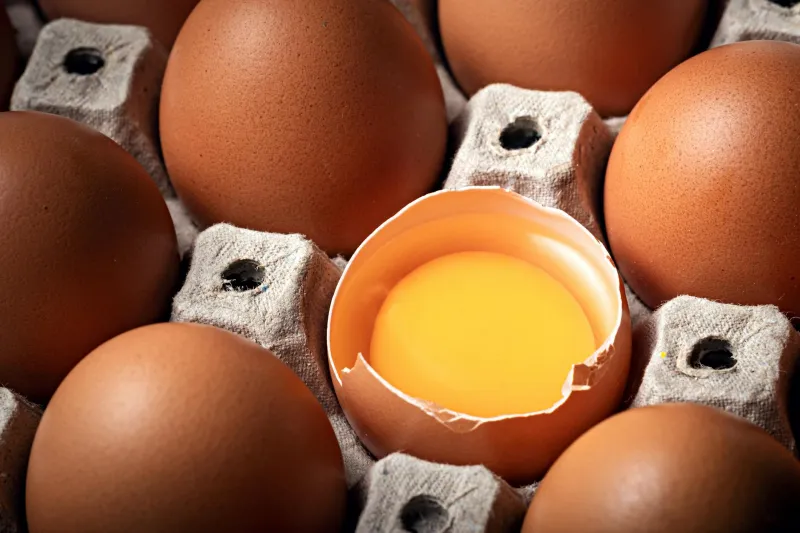
Beyond the float test, there are other reliable indicators of egg condition. Crack a questionable egg into a small bowl before using it. Fresh eggs have firm, rounded yolks and thick whites that don't spread much. Older but still good eggs will have flatter yolks and thinner whites.
Any egg with an off smell, unusual color, or slimy texture should be discarded regardless of the date. Trust your senses over printed numbers.
The Bigger Picture on Food Dates
Eggs aren't the only food where dates mislead consumers. Most "best by" and "use by" labels are quality indicators, not safety warnings. Only infant formula has federally regulated expiration dates tied to safety.
This system developed piecemeal over decades as food companies and retailers created their own labeling standards. The result is a confusing patchwork that costs consumers money and increases food waste.
What You Can Do Right Now
Start by learning the float test and using it instead of relying solely on carton dates. Keep eggs in their original carton on a refrigerator shelf, not in the door where temperatures fluctuate.
More importantly, recognize that food safety and food quality are different things. An egg past its "sell-by" date might not be at peak quality for certain uses, but it's probably still safe for cooking and baking.
The numbers on your egg carton are telling a story about retail logistics, not kitchen safety. Once you understand the real story, you'll waste less food and save more money.