The Perfect College Town That Never Just Happened
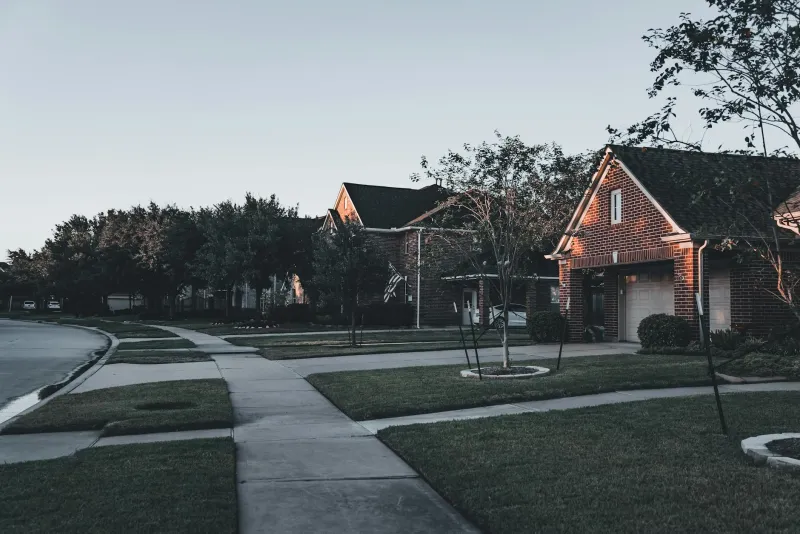
Walk through places like Princeton, New Jersey, or Charlottesville, Virginia, and you'll see what looks like the natural evolution of academic communities. Tree-lined streets, walkable downtowns, and that perfect mix of bookstores, coffee shops, and student housing. It feels organic, like these places grew up around universities over generations.
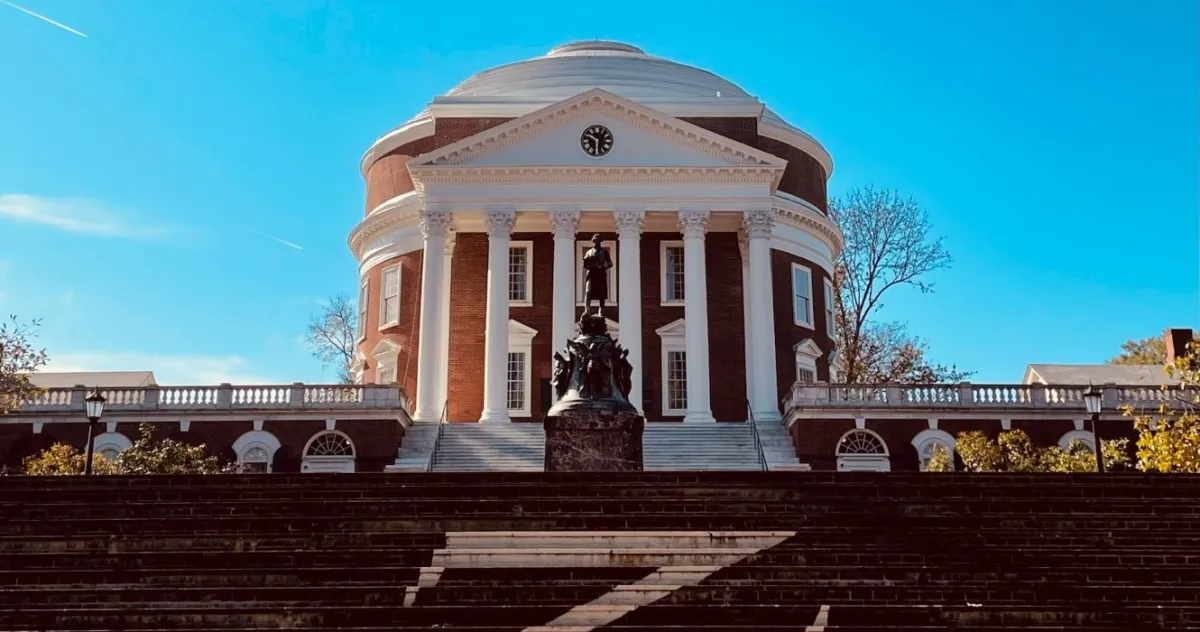 Photo: Charlottesville, Virginia, via static1.thetravelimages.com
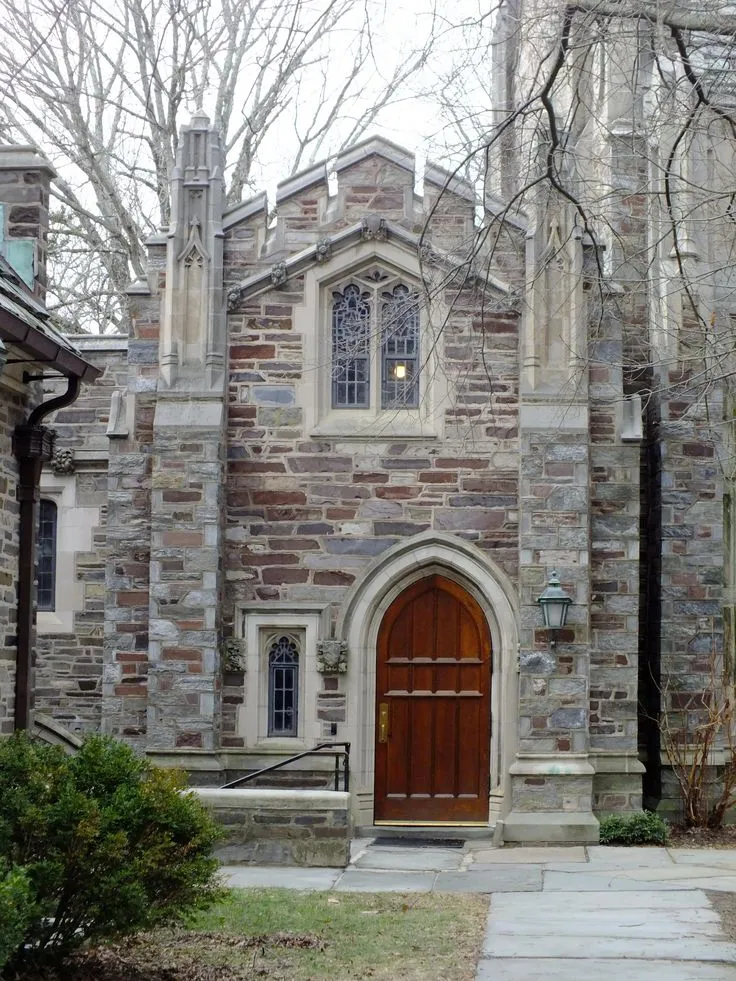 Photo: Princeton, New Jersey, via i.pinimg.com
But here's the actual story: many of America's most iconic college towns were deliberately designed by real estate speculators who understood they had a guaranteed customer base in students and faculty.
The Land Rush That Built Academic America
In the late 1800s and early 1900s, as American higher education expanded rapidly, developers recognized an unprecedented opportunity. Universities meant thousands of people who needed housing, food, entertainment, and services. Unlike other businesses, colleges weren't going anywhere once established.
Smart developers began purchasing large tracts of land around existing universities or near proposed campus sites. They didn't just build random housing—they created comprehensive planned communities designed to capture every dollar students and faculty would spend.
How Developers Manufactured College Town Charm
The aesthetic we associate with classic college towns wasn't accidental. Developers studied what attracted families to send their children to particular schools and what made faculty want to live in university communities.
They learned that parents preferred campuses that felt safe, walkable, and culturally rich. So developers intentionally created downtown districts with specific amenities: bookstores that doubled as intellectual gathering spaces, restaurants that could host faculty dinners, and housing that looked substantial enough to reassure parents about their investment.
The "charming college town" became a real estate product designed to enhance the university's appeal and maximize property values.
The Economics Behind the College Town Formula
Developers perfected a specific model that balanced student needs with long-term profitability. They built dense student housing near campus for maximum rental income, then created buffer zones of faculty housing to maintain property values, and finally developed commercial districts that served both populations.
This wasn't random market forces at work—it was calculated urban planning designed to extract maximum value from a captive audience. Students had to live somewhere near campus, and developers made sure they controlled those "somewheres."
Case Study: How State College, Pennsylvania, Got Planned
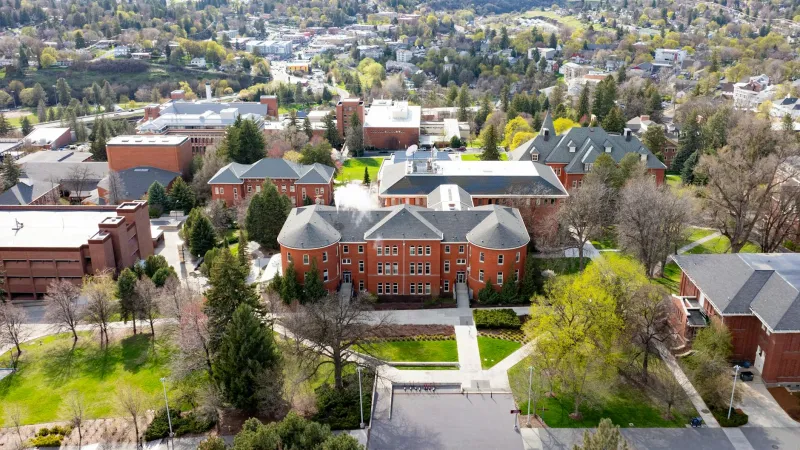
Pennsylvania State University's main campus offers a perfect example of engineered college town development. In the early 1900s, local businessmen and outside investors collaborated to purchase farmland surrounding the growing university.
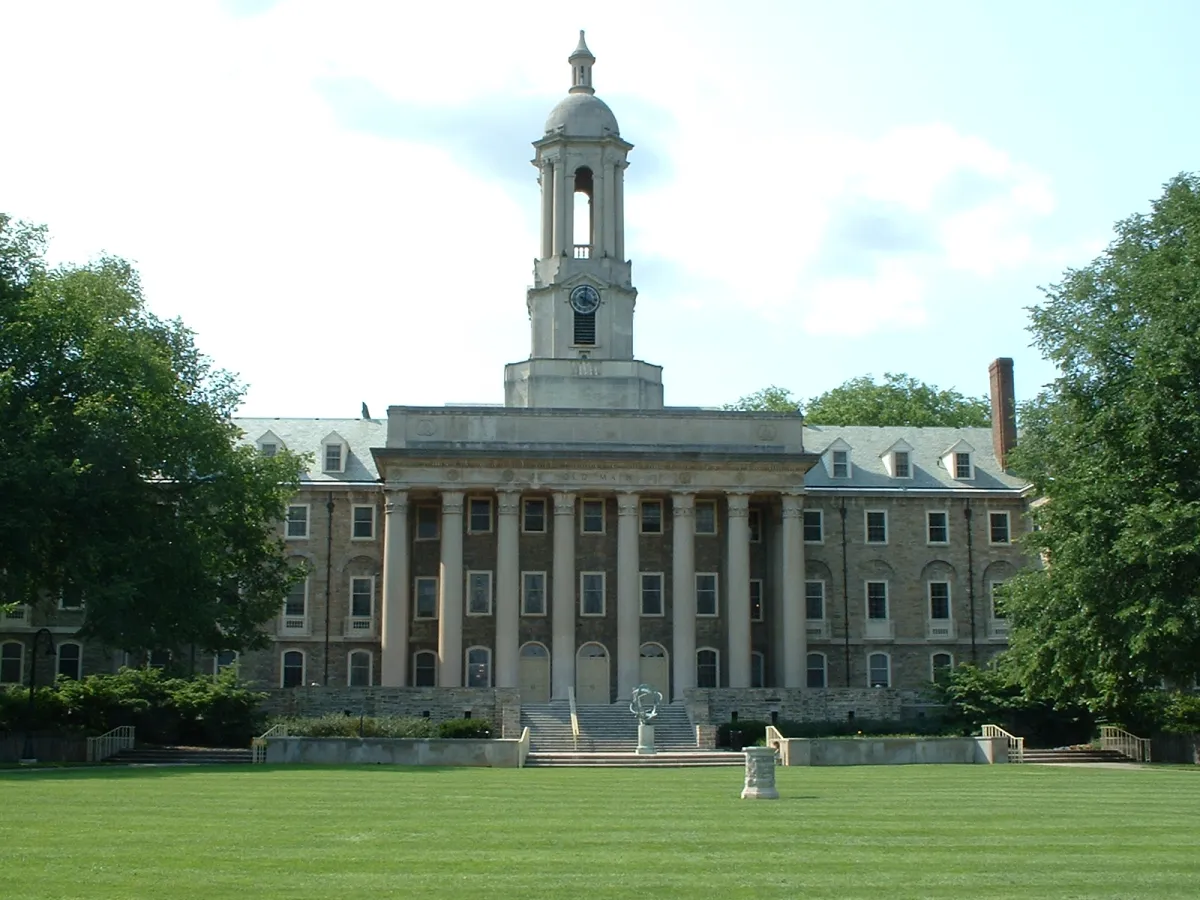 Photo: Pennsylvania State University, via www.communicationstudies.com
They didn't just build housing—they created an entire commercial ecosystem. The downtown district was laid out to channel student foot traffic past maximum retail opportunities. The street grid was designed to make walking from dorms to campus a commercial experience.
Even the famous Penn State "White Out" football tradition has roots in this calculated development. The stadium's location and the surrounding tailgating areas were planned to maximize local business revenue on game days.
The Hidden Costs of Manufactured College Communities
This developer-driven model created long-term consequences that college towns are still dealing with today. When private companies control most of the housing and commercial space around universities, they can essentially set prices for entire communities.
Students and faculty become captive consumers with limited alternatives. Rent prices, restaurant costs, and retail pricing can stay artificially high because competition is limited by geography and the controlled development patterns.
Why This History Matters Today
Understanding the real estate origins of college towns helps explain current housing crises around many universities. The same dynamics that made these places profitable for early developers—captive audiences, limited alternatives, controlled supply—now make them unaffordable for many students and faculty.
When universities expand enrollment without addressing the underlying development patterns, they're essentially feeding more customers into systems designed to maximize profit extraction, not educational outcomes.
The Modern Legacy of College Town Engineering
Today's college towns are dealing with the consequences of their engineered origins. Many face severe housing shortages because the original development models prioritized profit over long-term sustainability.
Universities are now having to build their own housing and compete directly with the private developers who shaped their communities. It's a reversal of the original dynamic, where academic institutions are trying to regain control over their own local economies.
Recognizing the Pattern
Once you know what to look for, the signs of engineered college town development become obvious. Commercial districts that seem perfectly sized for student populations, housing that's clearly designed for temporary residents, and downtown areas that feel more like outdoor malls than organic community centers.
None of this makes these places less charming or valuable—but understanding their origins helps explain why college costs keep rising and why students often feel like customers rather than community members. The college town experience was designed as a product to be consumed, and that's exactly how it functions today.