The Wilderness That Never Was
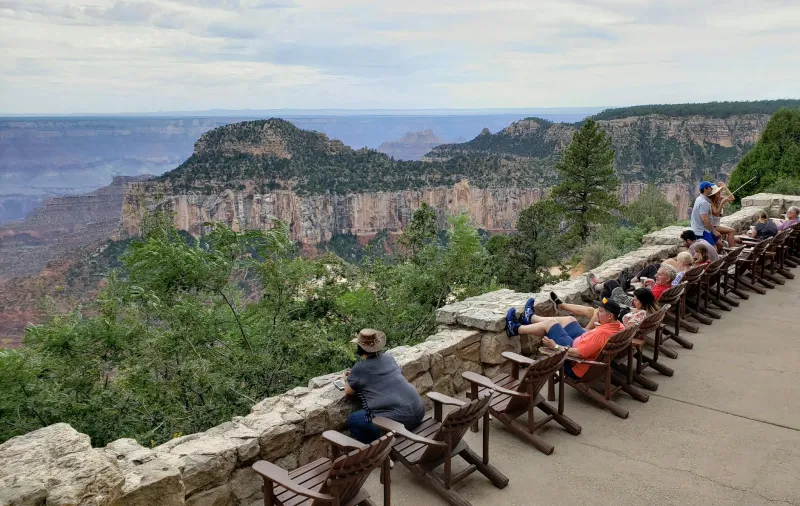
Stand at any scenic overlook in America's national parks and you're seeing what feels like untouched nature — vast landscapes that have existed unchanged for millennia. The Park Service reinforces this impression with language about "preserving" and "protecting" natural wonders.
But that pristine view is actually the result of intensive human management spanning over a century. What Americans experience as "wilderness" is often a carefully constructed landscape designed to match our expectations of what nature should look like.
Engineering the Perfect Vista
Yellowstone's famous geyser basins weren't always so perfectly viewable. Park engineers spent decades moving walkways, clearing sightlines, and even redirecting water flow to create optimal viewing experiences. Old Faithful's eruption schedule became more predictable partly because park managers removed debris and modified the geyser's underground plumbing.
In Yosemite, the iconic valley views that grace countless postcards required removing entire forests. Early park managers cut down thousands of trees to create clear sightlines to waterfalls and granite formations. They also drained swamplands and redirected streams to prevent flooding of newly constructed roads and buildings.
The Great Wildlife Reset
National parks didn't preserve existing ecosystems — they created new ones based on early 20th-century ideas about what American wilderness should contain. Park managers systematically removed "undesirable" species while introducing or protecting "charismatic" ones.
Wolves were hunted to extinction in Yellowstone by 1926 because they threatened the park's growing elk herds, which tourists preferred to see. Bears were fed garbage for decades to ensure reliable sightings along roadsides. Mountain lions, coyotes, and other predators faced similar elimination campaigns.
When park philosophy shifted toward ecosystem management in the 1960s, managers had to reverse decades of intervention. Yellowstone's wolf reintroduction program in 1995 was essentially fixing a problem the Park Service had created 70 years earlier.
Forests That Came From Catalogs
Many of the "ancient" forests visitors hike through were actually planted by the Civilian Conservation Corps during the 1930s. These work crews planted millions of trees throughout the national park system, often using non-native species that grew faster or looked more appealing than local varieties.
Glacier National Park's famous going-to-the-Sun Road cuts through forests that are largely human-planted. The original landscape was much more sparse, but Depression-era work programs created the dense, scenic woodlands that modern visitors expect.
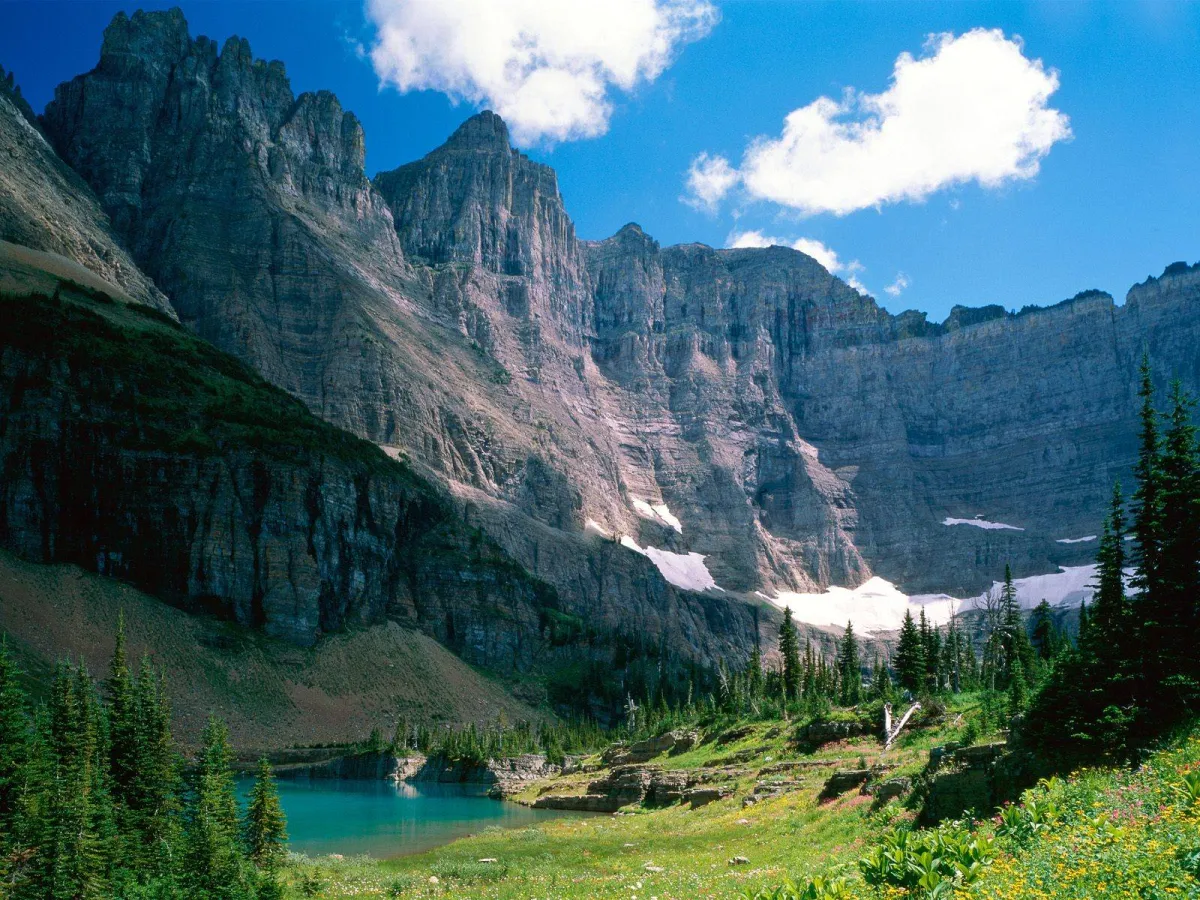 Photo: Glacier National Park, via 2.bp.blogspot.com
Some parks still engage in active forest management, using controlled burns, selective logging, and replanting programs to maintain the "natural" appearance that tourists come to see.
The Invisible Infrastructure
What looks like untouched wilderness often conceals extensive infrastructure. Trails that seem to follow natural contours were actually engineered by landscape architects to provide optimal views while minimizing erosion and maintenance costs.
Many park trails include hidden drainage systems, reinforced slopes, and strategically placed rocks to direct foot traffic away from sensitive areas. The "rustic" stone bridges and retaining walls throughout the park system were built by skilled craftsmen using techniques designed to make human construction look natural.
Even campgrounds that feel remote often include underground utilities, hidden waste management systems, and carefully designed layouts that maximize capacity while maintaining the illusion of wilderness camping.
Removing the Wrong Kind of History
Creating America's wilderness aesthetic required erasing evidence of previous human habitation. Native American communities had lived in and managed these landscapes for thousands of years before European settlement, using controlled burns, selective harvesting, and other techniques that shaped the ecosystems early park managers thought were "natural."
Park creation often involved forcibly removing Native communities and then eliminating traces of their land management practices. The "pristine" meadows in many Western parks were actually maintained by indigenous burning practices that park managers initially tried to suppress.
The Ongoing Construction Project
National parks continue this management intensive today, though with different goals. Climate change adaptation requires moving entire ecosystems to higher elevations. Invasive species control involves ongoing chemical treatments and mechanical removal. Wildlife management includes everything from contraception programs for overpopulated elk to genetic rescue efforts for isolated bear populations.
Park rangers spend much of their time on activities that would seem antithetical to wilderness preservation: operating heavy machinery, applying pesticides, capturing and relocating animals, and constantly maintaining the infrastructure that keeps parks accessible to millions of annual visitors.
Why the Myth Persists
The idea of untouched wilderness serves important cultural and political functions. It supports conservation funding, tourism revenue, and America's national identity as a country with vast natural spaces. Acknowledging the artificial nature of park landscapes might undermine public support for preservation efforts.
Park literature and signage carefully avoid mentioning management activities, instead emphasizing natural processes and ecological relationships. Visitors rarely see the behind-the-scenes work that maintains their wilderness experience.
What This Means for Conservation
Understanding national parks as managed landscapes doesn't diminish their value — it clarifies what conservation actually requires in the modern world. Protecting ecosystems means actively managing them, not leaving them alone.
This reality becomes increasingly important as climate change forces parks to adapt or lose the landscapes they were created to preserve. The question isn't whether to manage these spaces, but how to manage them effectively for future generations.
America's national parks remain extraordinary places worth protecting. But they're better understood as ongoing collaborative projects between humans and nature rather than pristine wilderness preserved from a mythical past.