The Captive Audience Business Model
You're running late for your flight, security took longer than expected, and you haven't eaten since breakfast. The only food option charges $18 for a sandwich that costs $8 anywhere else. Most travelers chalk this up to "airport economics" — high rent, limited space, captive customers.
But the real story is more deliberate. Airport pricing isn't an unfortunate side effect of location; it's a carefully engineered revenue system that took decades to perfect.
How Concession Contracts Actually Work
Airports don't just rent space to restaurants and shops. They negotiate complex revenue-sharing agreements that guarantee the airport gets paid regardless of how much vendors charge customers. Most concession contracts require operators to pay either a base rent plus a percentage of sales, or a guaranteed minimum annual payment — whichever is higher.
This structure creates a pricing floor. If a coffee shop pays the airport 15% of gross sales plus base rent, that cost gets passed directly to customers. The airport makes more money when vendors charge more, creating built-in incentives for high prices.
Some airports go further, requiring concession operators to hit specific revenue targets per square foot. Miss the target, and the contract might not get renewed. This pushes vendors toward high-margin items and premium pricing strategies.
The Psychology of Terminal Design
Airport architects and retail consultants spend considerable time optimizing passenger flow to maximize "dwell time" — the period between security and boarding when travelers are most likely to spend money.
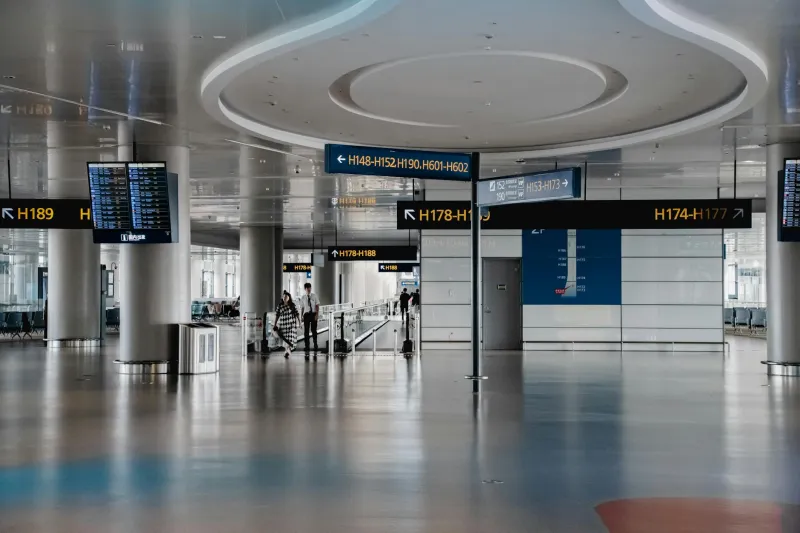
Gates are deliberately placed far from security checkpoints, forcing passengers to walk past dozens of retail opportunities. Seating near gates is often limited, pushing people into restaurants and cafes that offer tables and chairs. Even bathroom placement is strategic, typically located near shopping areas rather than gates.
Terminal designers also manipulate time perception. Clocks are sparse in many airports, and departure boards are positioned to keep passengers moving through retail zones rather than settling in gate areas too early.
Why Competition Doesn't Lower Prices
In normal markets, competition drives prices down. Airports invert this logic through exclusive territory agreements. Most concession contracts grant operators exclusive rights to sell specific products in designated terminal areas.
That means the Starbucks in Terminal B might be the only coffee option for 20 gates, eliminating price competition entirely. Even when airports allow multiple similar vendors, they're typically placed in different terminals or concourses, maintaining geographic monopolies.
Some airports require concession operators to match street prices, but these policies often include loopholes. "Street pricing" might apply only to specific items, exclude airports from certain geographic areas, or allow for "operational cost adjustments" that bring prices right back up.
The Airline Partnership Factor
Major airlines increasingly partner with airports on concession revenue, sharing profits from passenger spending. This creates additional incentives to maximize per-passenger expenditure rather than customer satisfaction.
Airlines also control when passengers can access terminals. Earlier boarding calls and gate changes can extend dwell time, creating more opportunities for spending. Some airlines have experimented with mobile apps that encourage pre-flight purchases from specific airport vendors.
Security Theater Amplifies the System
Post-9/11 security requirements accidentally supercharged airport retail. Passengers now arrive earlier and can't bring outside food or drinks past checkpoints, creating a larger captive audience with more time to spend.
The TSA's liquid restrictions effectively banned outside beverages, creating guaranteed demand for airport drink sales. Even passengers who pack food often need to buy drinks, generating millions in additional revenue.
International Models Show Alternatives
Some international airports operate differently. Singapore's Changi Airport uses a "street pricing" policy with meaningful enforcement, keeping food costs closer to city prices. European airports sometimes allow outside food vendors to compete directly with established chains.
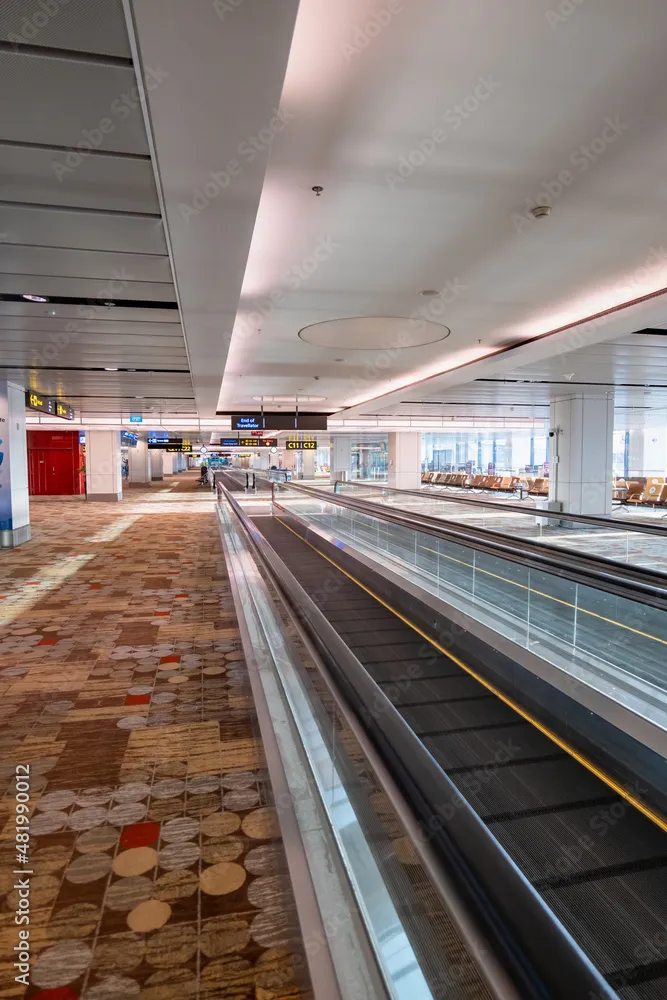 Photo: Singapore's Changi Airport, via as1.ftcdn.net
These models prove that airport food doesn't have to cost a fortune — American airports simply choose revenue maximization over customer value.
The Hidden Costs Add Up
American travelers spend an estimated $12 billion annually on airport food and retail, much of it at inflated prices. For frequent flyers, these costs can exceed airline ticket fees, creating an invisible tax on business travel and family visits.
What Actually Works
Some airports are experimenting with different approaches. Pittsburgh International Airport's "street pricing" initiative requires vendors to match local prices on comparable items. Early results show passenger satisfaction improvements without devastating vendor profits.
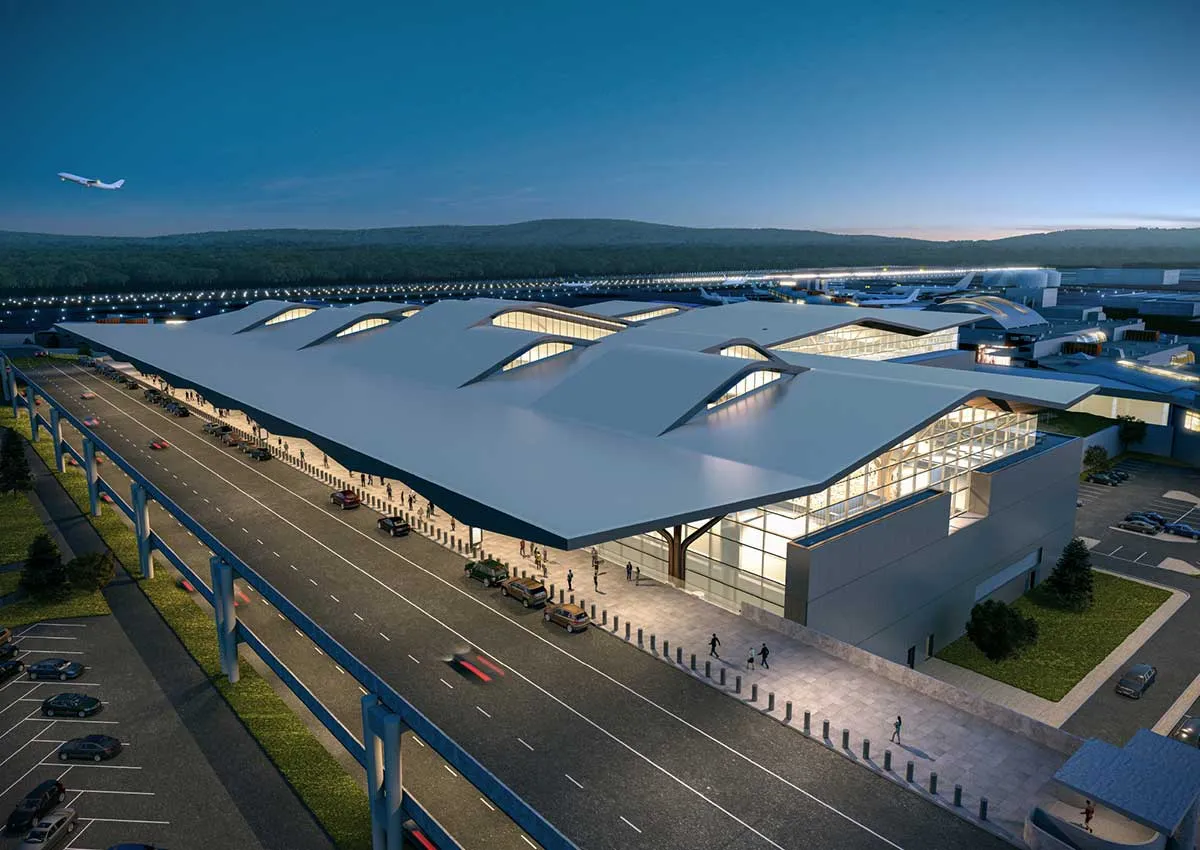 Photo: Pittsburgh International Airport, via www.csd-eng.com
But meaningful change requires rethinking the fundamental airport business model. As long as airports prioritize concession revenue over passenger experience, that $18 sandwich will remain a feature, not a bug, of American air travel.