The Loyalty Program That Profits From Your Forgetfulness
Americans are sitting on roughly 30 trillion unredeemed frequent flyer miles, worth an estimated $200 billion. But here's what most travelers don't realize: airlines are counting on you never using most of those points.
The industry has a term for this phenomenon: "breakage." It refers to loyalty program points that expire, get forgotten, or lose value over time. And it's not a bug in the system—it's the entire business model.
How Airlines Turned Loyalty Into a Revenue Stream
Frequent flyer programs started in the 1980s as simple customer retention tools. Fly with us regularly, get a free flight eventually. But airlines quickly discovered something more profitable: selling points to credit card companies, hotels, and retail partners.
Today, major airlines make more money from their loyalty programs than from actually flying passengers. Delta's program, for example, generates over $5 billion annually—much of it from partners who buy miles to offer as rewards.
The genius of this model is that airlines get paid upfront for miles they may never have to honor. Every unredeemed point represents pure profit.
The Fine Print That Erases Your Miles
Airline loyalty programs are designed with multiple mechanisms to reduce the value of accumulated points over time. The most obvious is expiration—many programs automatically delete points after 18-24 months of account inactivity.
But expiration is just the beginning. Airlines regularly devalue their programs by increasing the number of points required for awards, reducing availability of award seats, or adding fees that make "free" flights cost hundreds of dollars.
These changes typically happen with minimal notice, buried in program updates that few customers read carefully.
The Availability Game That Keeps You Earning
Even when you have enough points for a flight, airlines make redemption deliberately difficult through artificial scarcity. Award seats are limited to specific flights and dates, often during off-peak times when airlines would struggle to fill planes anyway.
During popular travel periods like holidays or summer vacation, award availability essentially disappears. This forces loyal customers to either pay cash for flights or keep accumulating points while waiting for better redemption opportunities that may never come.
The psychological effect is powerful: you keep earning points because you're always "almost" able to book that free trip.
The Credit Card Connection That Changes Everything
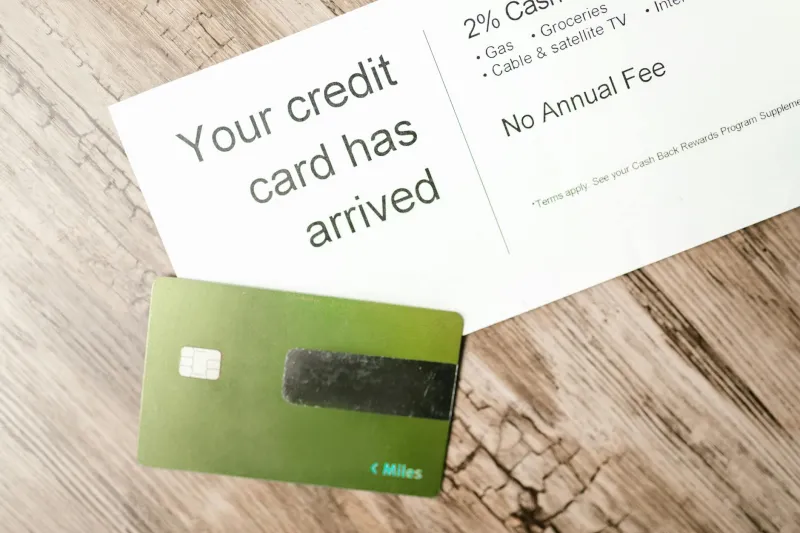
Airline credit cards have transformed frequent flyer programs from travel rewards into financial products. When you use an airline-branded credit card, the bank pays the airline for every mile you earn—typically 1-2 cents per mile.
This creates a perverse incentive structure. Airlines make more money when you earn miles through spending than when you fly, and they make the most money when you earn miles but never redeem them.
Credit card partnerships now generate 50-70% of most airlines' loyalty program revenue, fundamentally changing who these programs actually serve.
The Hidden Fees That Make Free Flights Expensive
Even successful redemptions often come with surprise costs that weren't clearly disclosed when you started earning points. "Free" international flights can cost $200-400 in taxes and fees. Award bookings often can't be changed without paying penalties that exceed the cost of buying a regular ticket.
These fees serve dual purposes: they generate additional revenue from award redemptions and make the "free" flight experience frustrating enough that some customers give up and book paid tickets instead.
Why Airlines Love Program Mergers and Changes
When airlines merge or make major program changes, they often use the transition as an opportunity to reset member expectations and reduce outstanding liabilities. Points get transferred at unfavorable rates, elite status requirements increase, and program benefits decrease.
Customers who spent years accumulating points under one set of rules suddenly find themselves starting over under less favorable terms. The airline gets to keep the money it was paid for those original points while reducing its obligation to honor them.
The Real Math of Frequent Flyer Programs
Industry analysts estimate that only 10-20% of earned frequent flyer miles are ever redeemed for their intended purpose. The rest expire, get forgotten, or lose value through devaluation.
This means airlines are selling a product—loyalty program points—that most customers will never actually receive. It's like a gym membership model applied to travel: profits depend on people paying for services they don't use.
Protecting the Points You've Already Earned
If you're already invested in airline loyalty programs, there are ways to protect your accumulated points. Set calendar reminders for expiration dates, use airline shopping portals for small purchases to maintain account activity, and book award flights well in advance when availability is better.
More importantly, recognize that points are a depreciating asset. Their value decreases over time through program changes and inflation, so redeem them sooner rather than later.
The Bigger Picture on Loyalty Programs
Airline frequent flyer programs represent a broader shift in how companies think about customer loyalty. Instead of rewarding loyal behavior with better service or lower prices, they've created complex point systems that benefit the company more than the customer.
Understanding this dynamic doesn't mean you should avoid loyalty programs entirely, but it should change how you approach them. Treat points like cash with an expiration date, not like a savings account that grows more valuable over time.
The real story behind frequent flyer programs isn't about loyalty—it's about creating profitable financial products disguised as customer rewards. Once you understand that, the whole system makes a lot more sense.